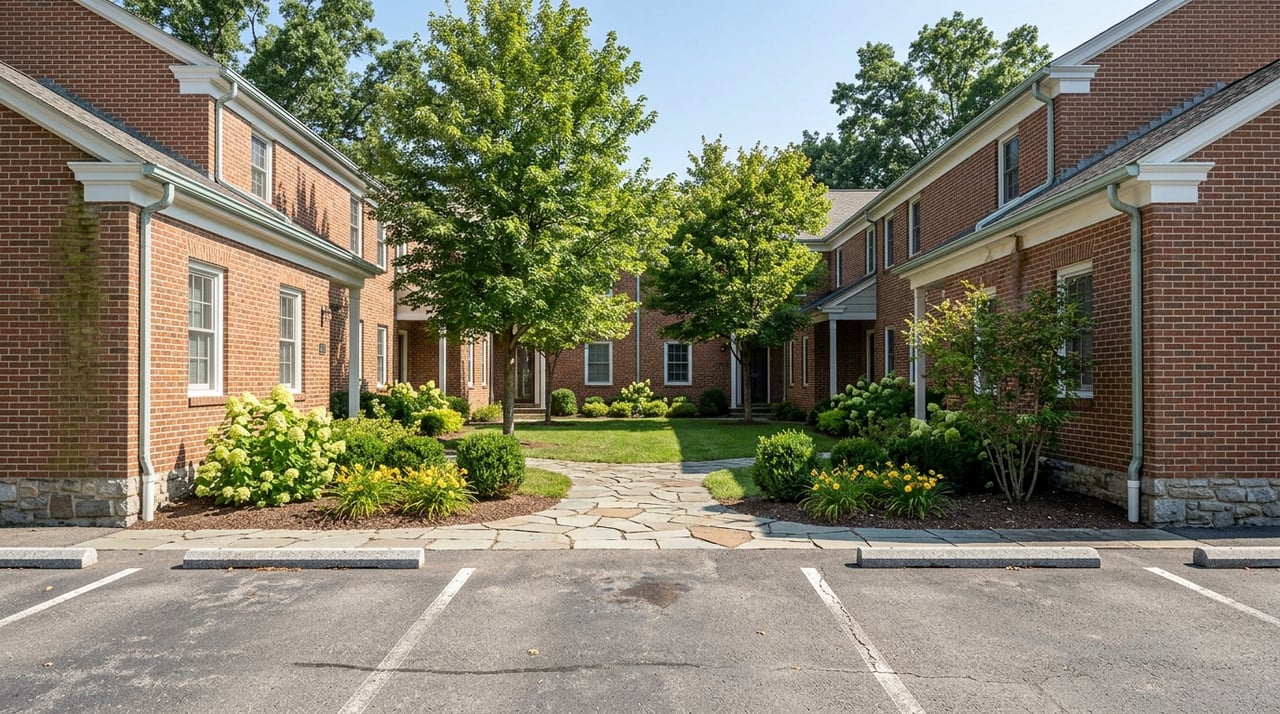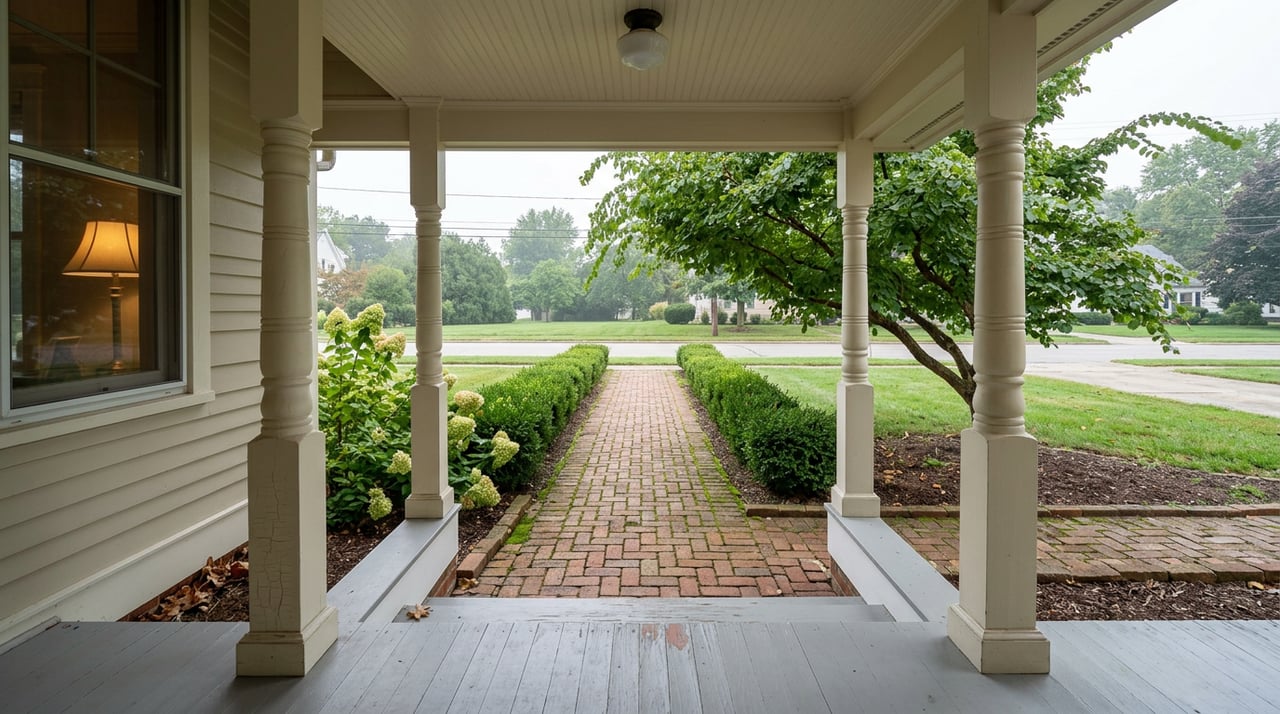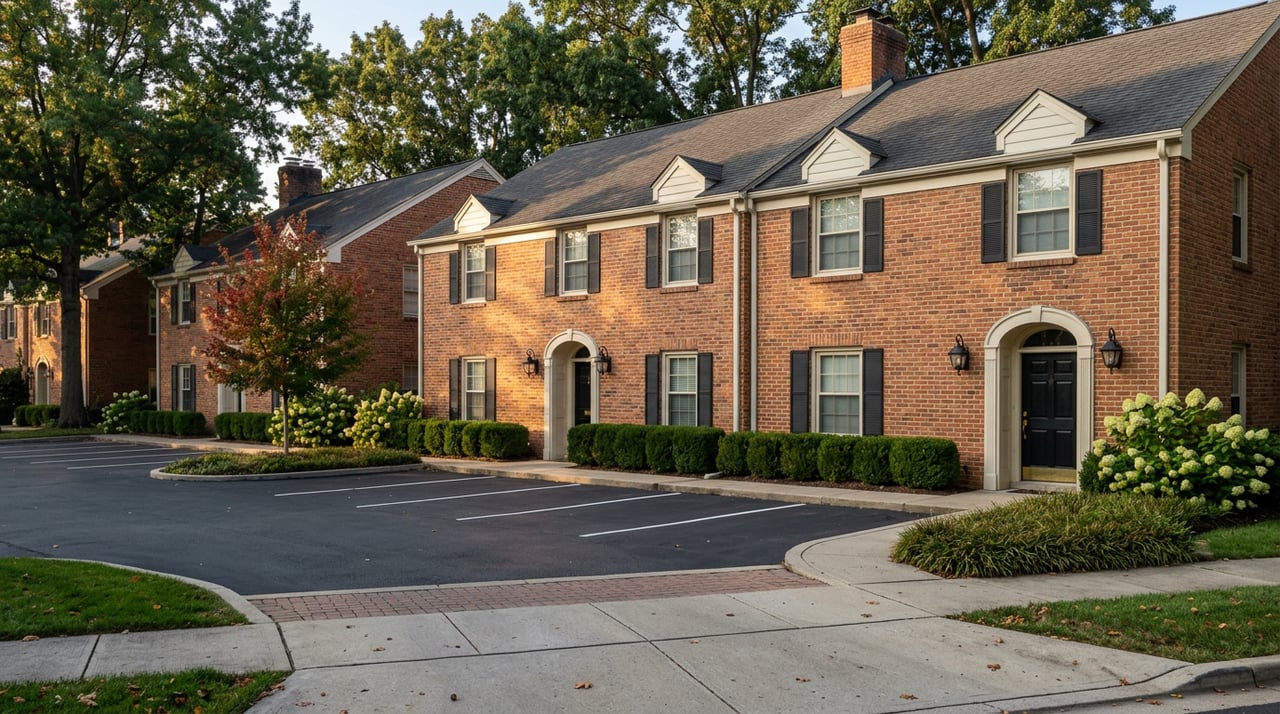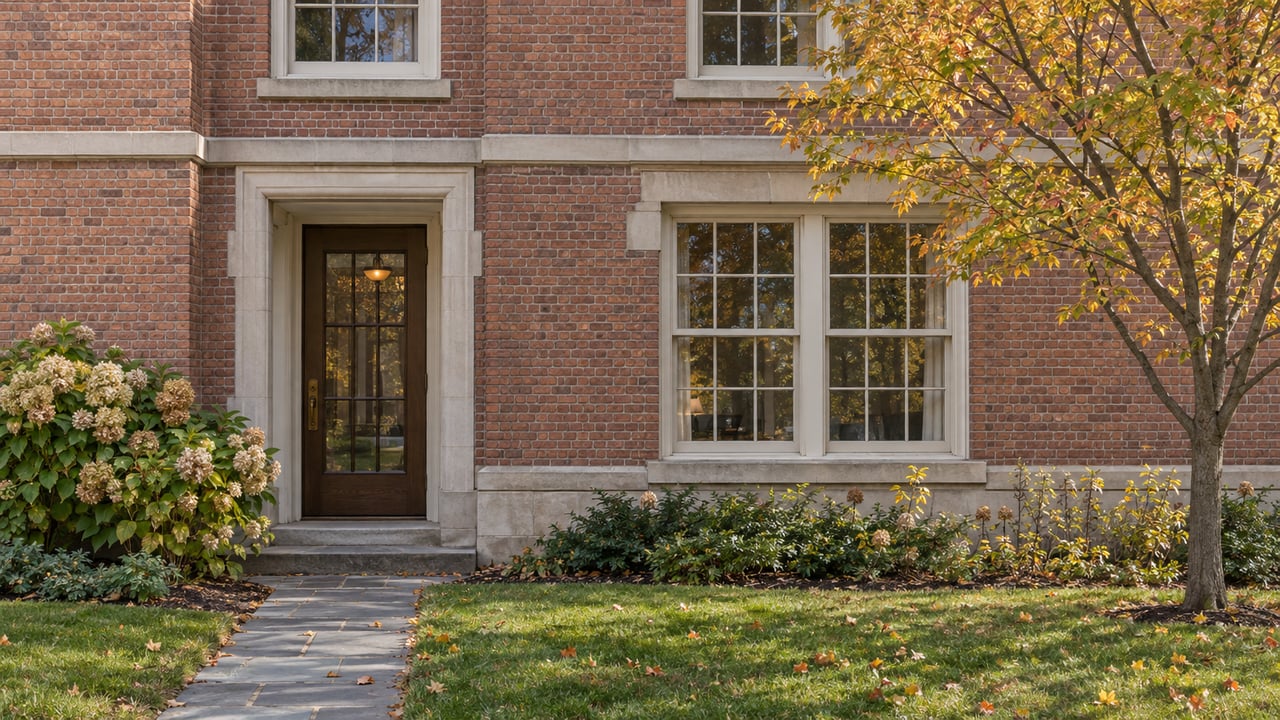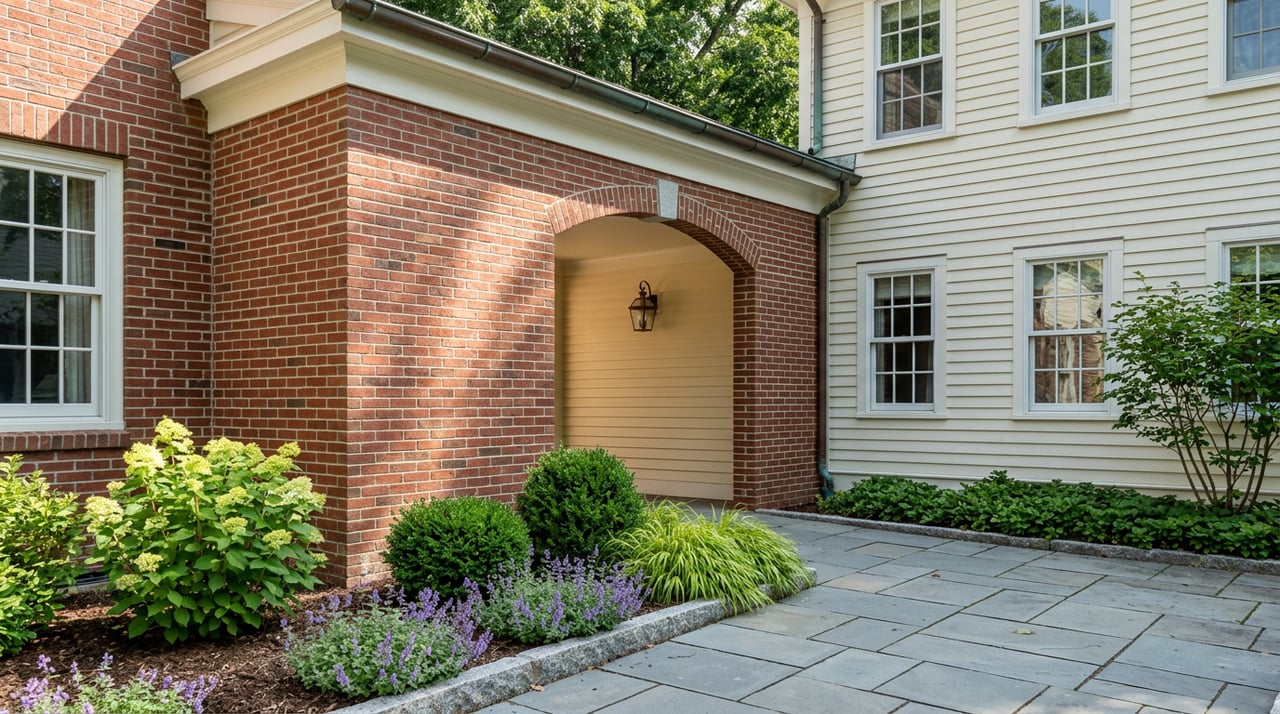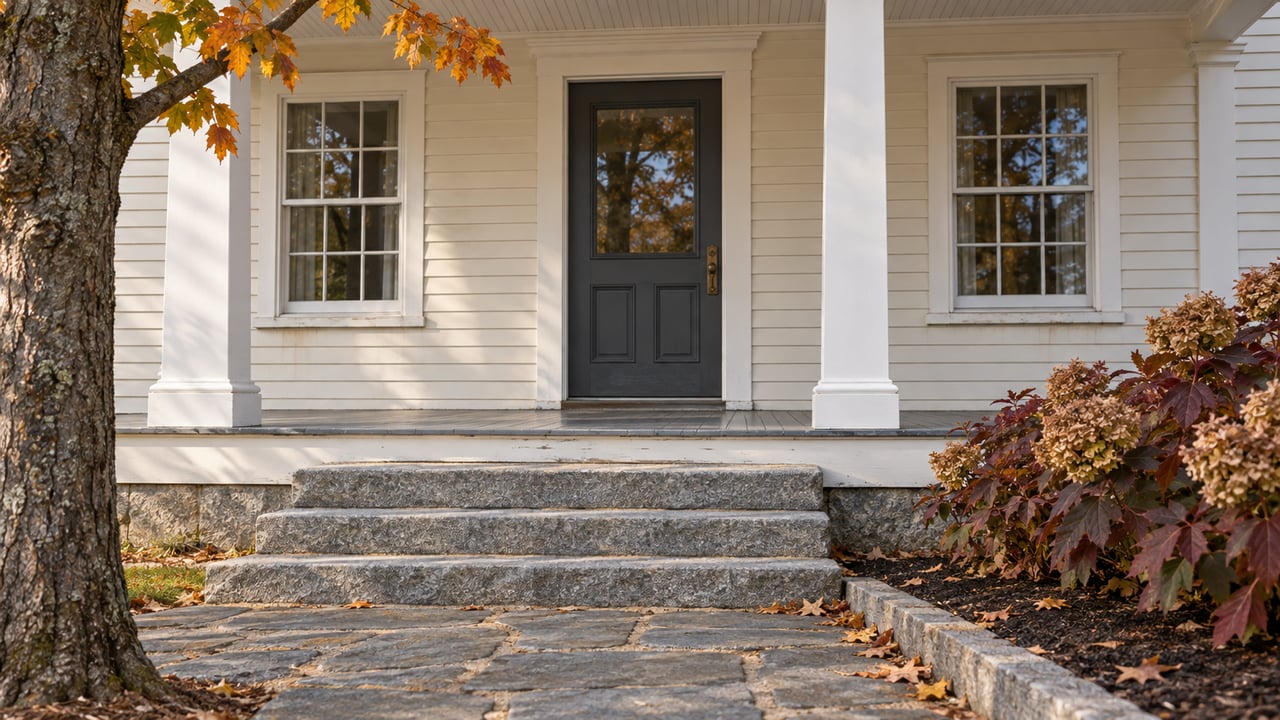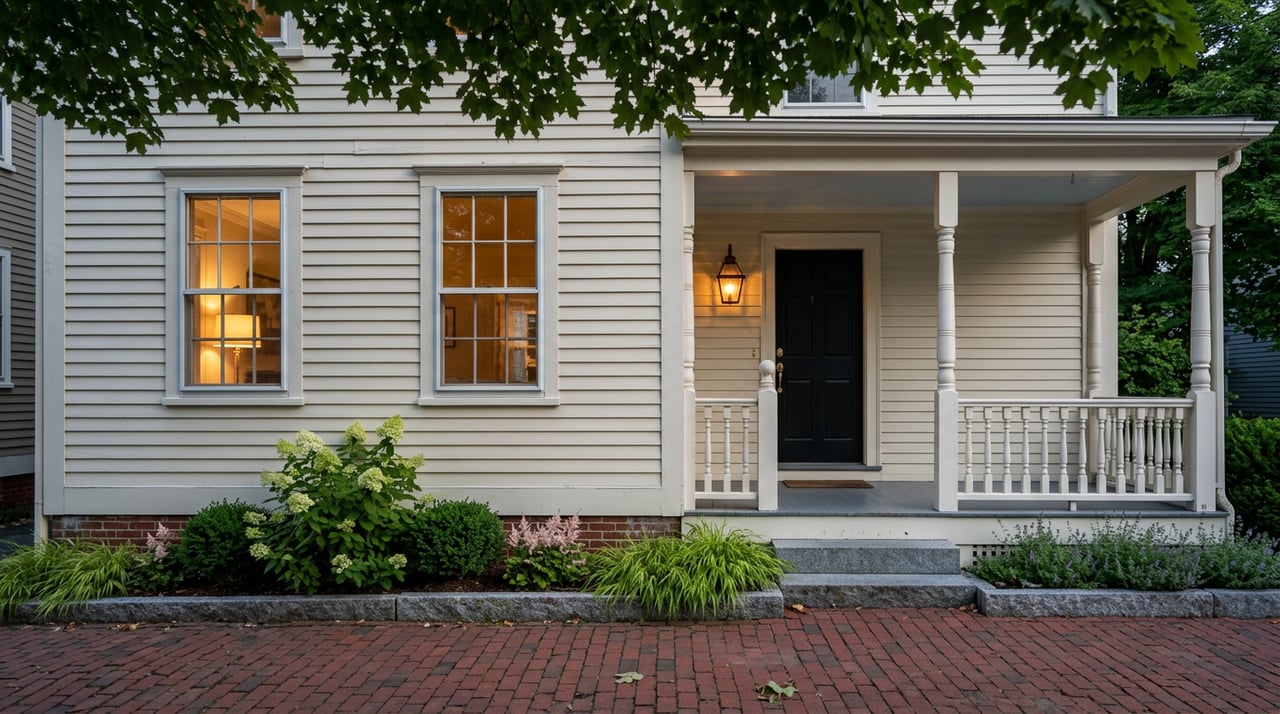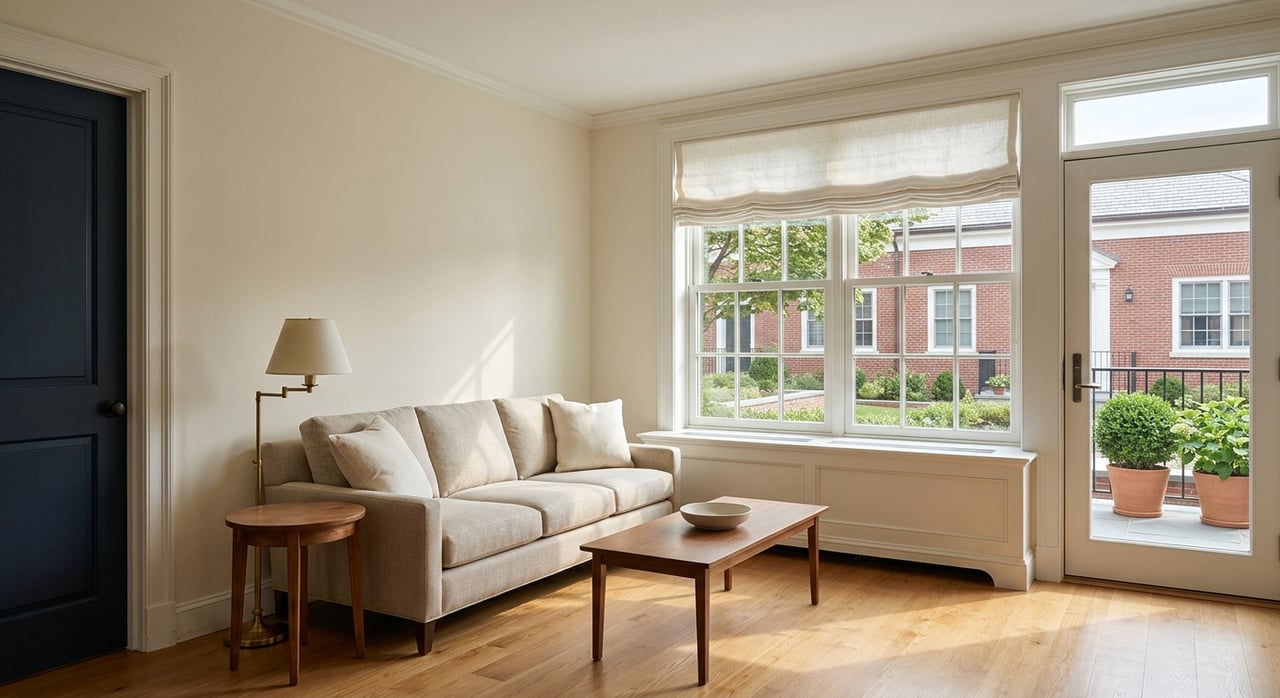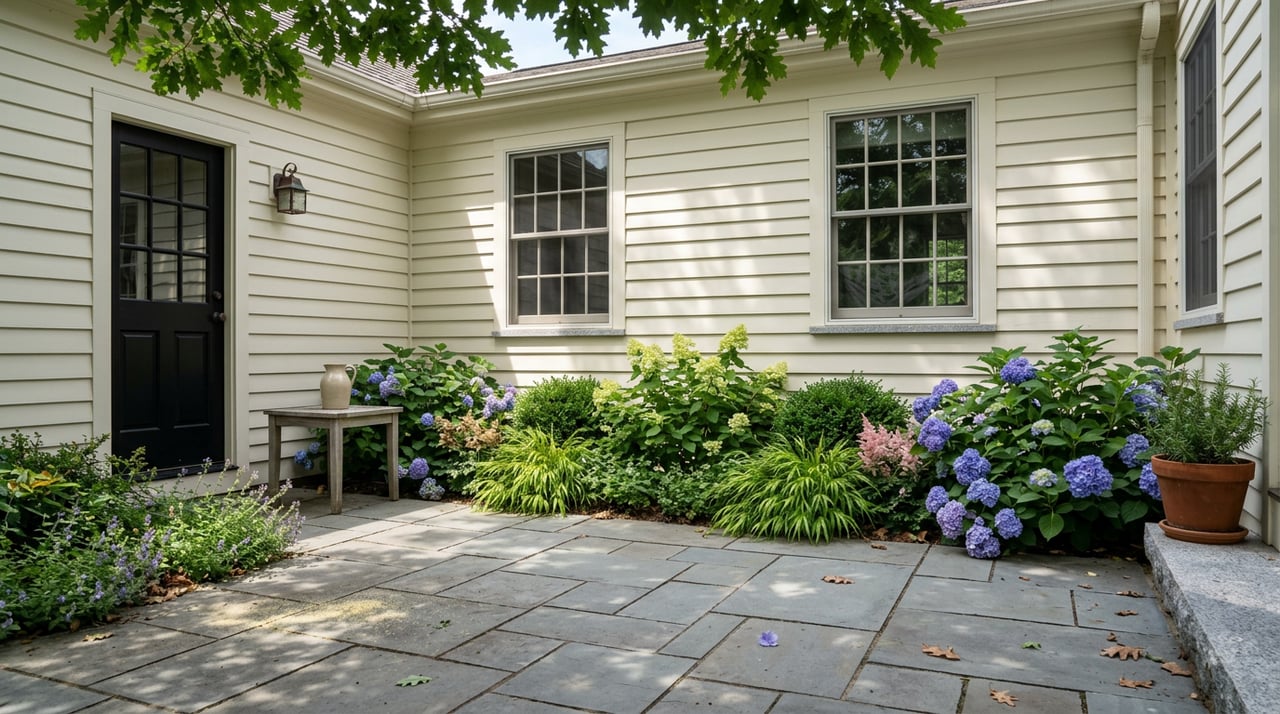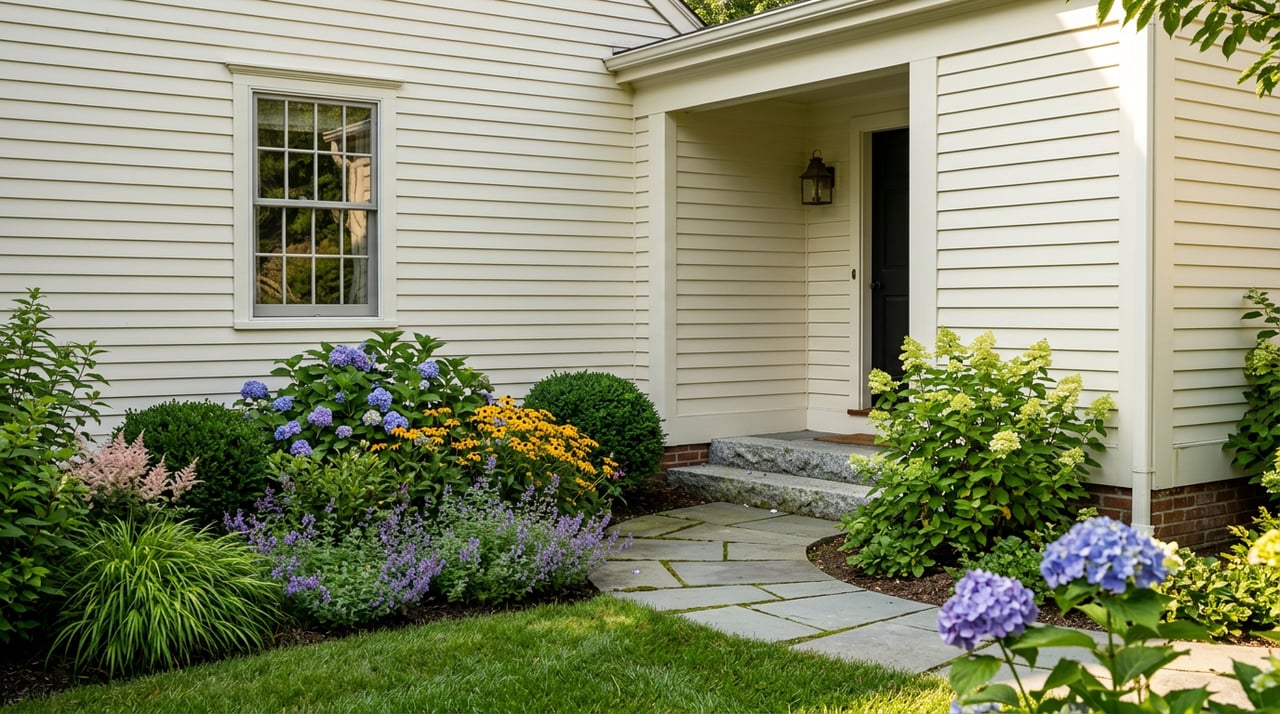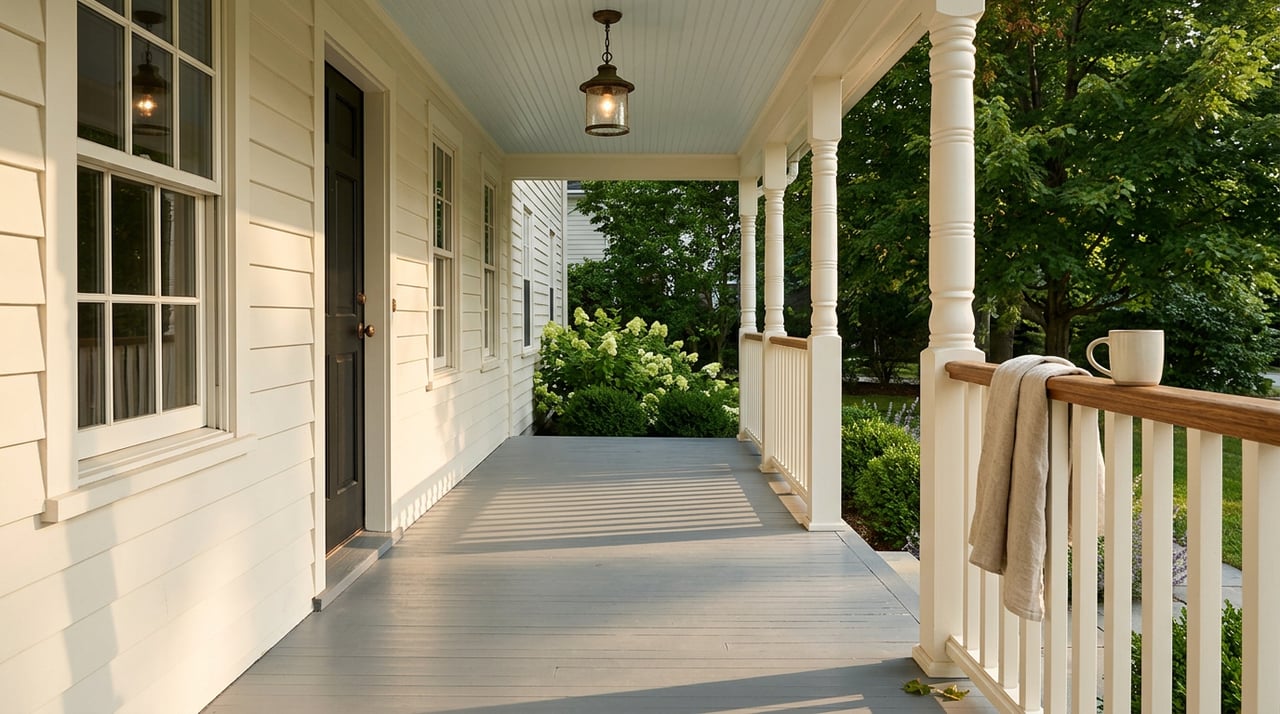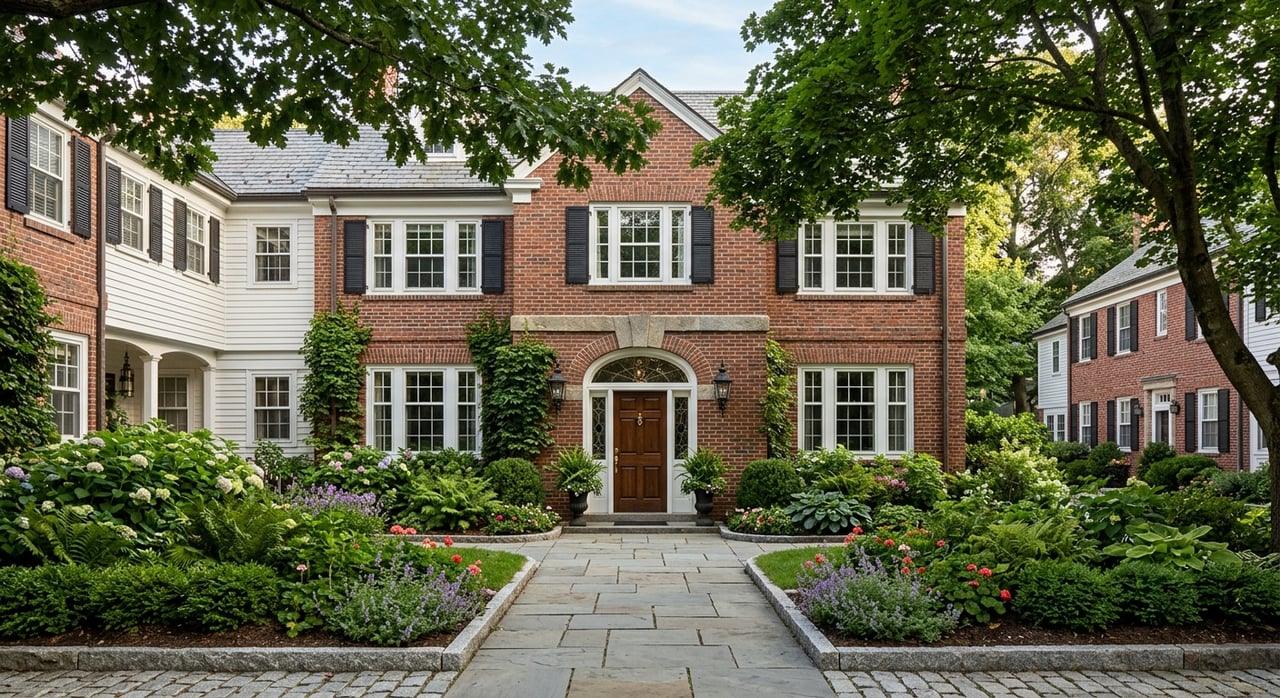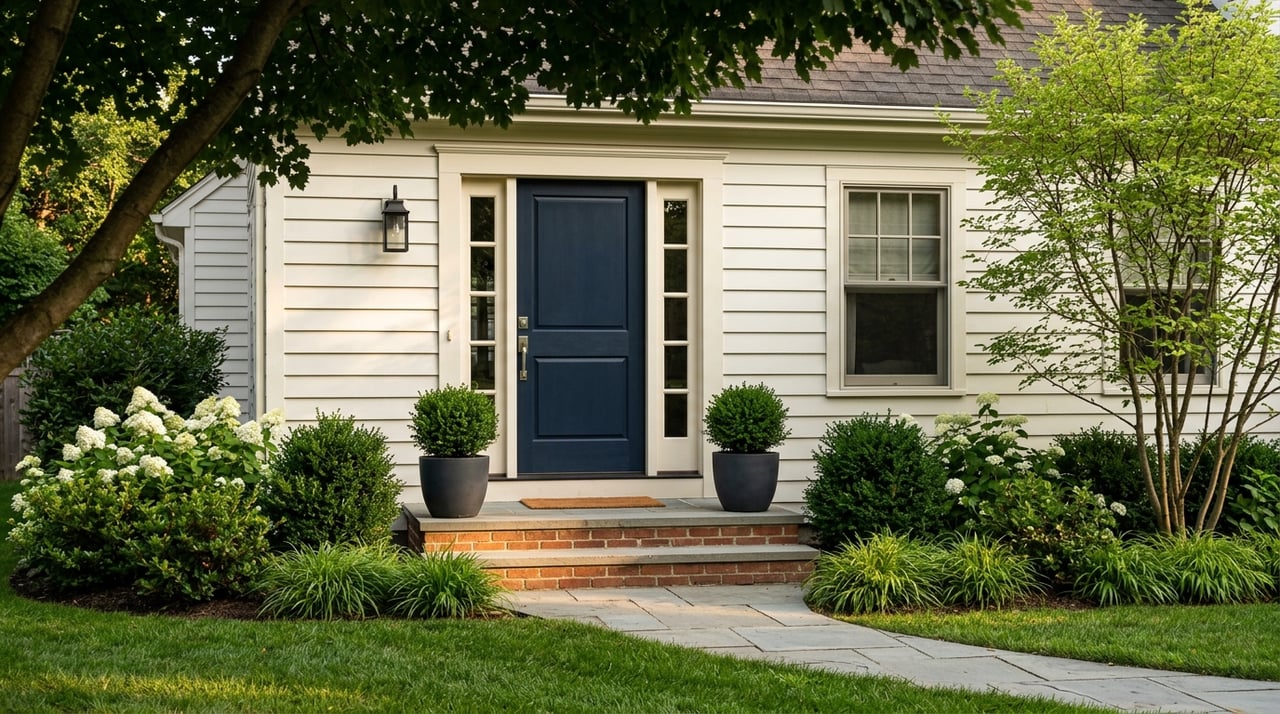
A three-bedroom in Forge Village went on the market this year with exposed beam ceilings, wide-plank floors, and a back window facing the pond the old mill once ran on. The list price sat comfortably under Westford's quoted town median, which is exactly why it drew a stack of offers the first weekend. Then came the disclosure package. It sits on a private septic system, which Massachusetts' Title 5 guidance says must be inspected before a sale can close. That requirement did not show up in the price. It showed up in escrow.
That gap between what a Westford listing costs and what it actually takes to close on it is not random. It follows the shape of the town itself, and the shape of the town is not one market. It is five.
One Median, Three Numbers, None Explains Nabnasset
Ask three different sources what a house in Westford costs right now and you will get three different answers, and all three can be correct at once. The reason is that they are measuring different things.
| Basis | Time Window | Figure |
|---|---|---|
| Closed sale price | Three months ending June 2026 | Roughly $800,000, down about 7.3% year over year |
| Active list price | July 2026 | Roughly $868,000 across about 74 active listings |
| Active list price (different methodology) | Mid-2026 | Roughly $984,900 |
A sale price reflects what a buyer actually paid at closing. A list price reflects what a seller is currently asking, and asking prices skew toward whatever happens to be sitting on the market that month, which is not always representative of what typically sells. When someone hands you a Westford median, the first useful question is which basis they used. It is also worth knowing that homes here have been going under agreement in around 22 days on average with roughly four offers per listing and about 1.6 months of supply, conditions that favor sellers even while the sale-price median has softened.
None of those figures, on their own, tell you anything about Nabnasset.
The Town That's Actually Five Villages
Westford does not read like a single subdivided suburb because it never was one. It grew as five separate mill and farming villages that later got absorbed into one town line, and each village still carries the housing stock its original industry left behind.
- Graniteville grew up around the granite quarries that once shipped stone by rail across New England, including granite used in the pillars at Faneuil Hall Marketplace and in Concord's Minute Man statue. Worker housing from that era still defines the streetscape.
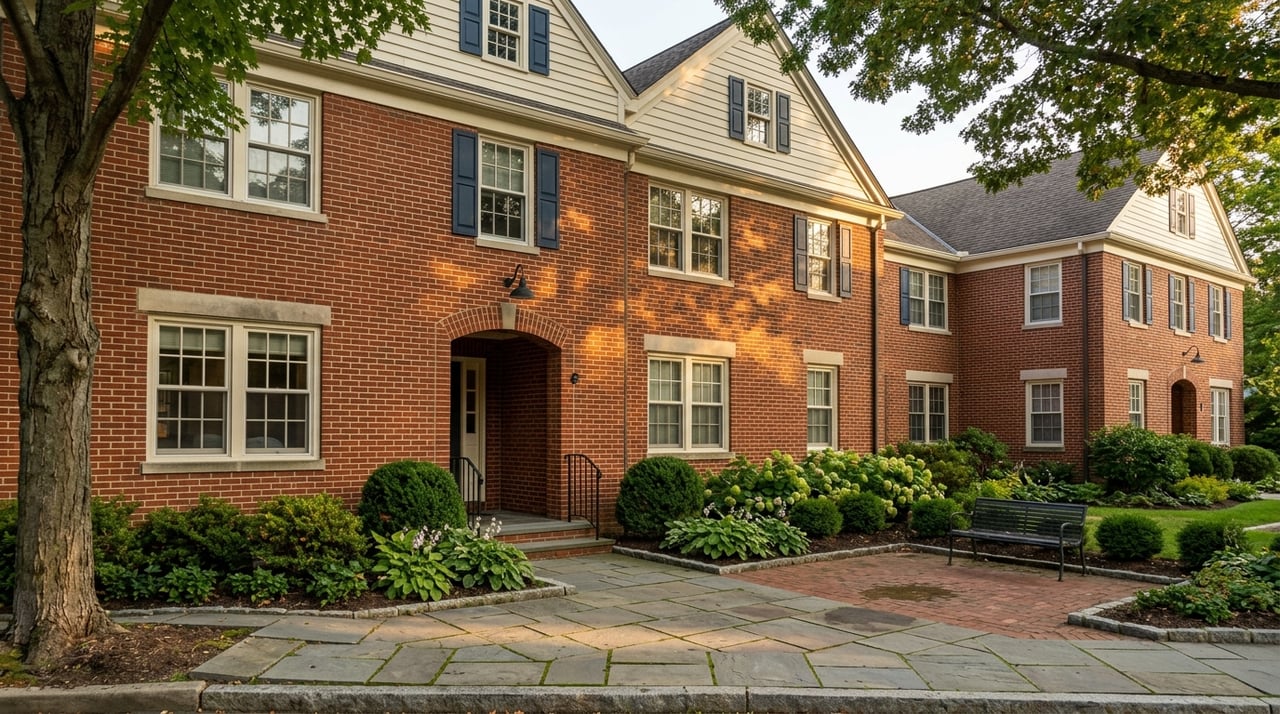
- Forge Village formed around an iron forge and later the Abbot Worsted wool mill. A three-story brick mill building the company raised on Pleasant Street in 1887 is still standing, and the rowhouses and double houses built for mill workers remain the dominant housing type in the village.
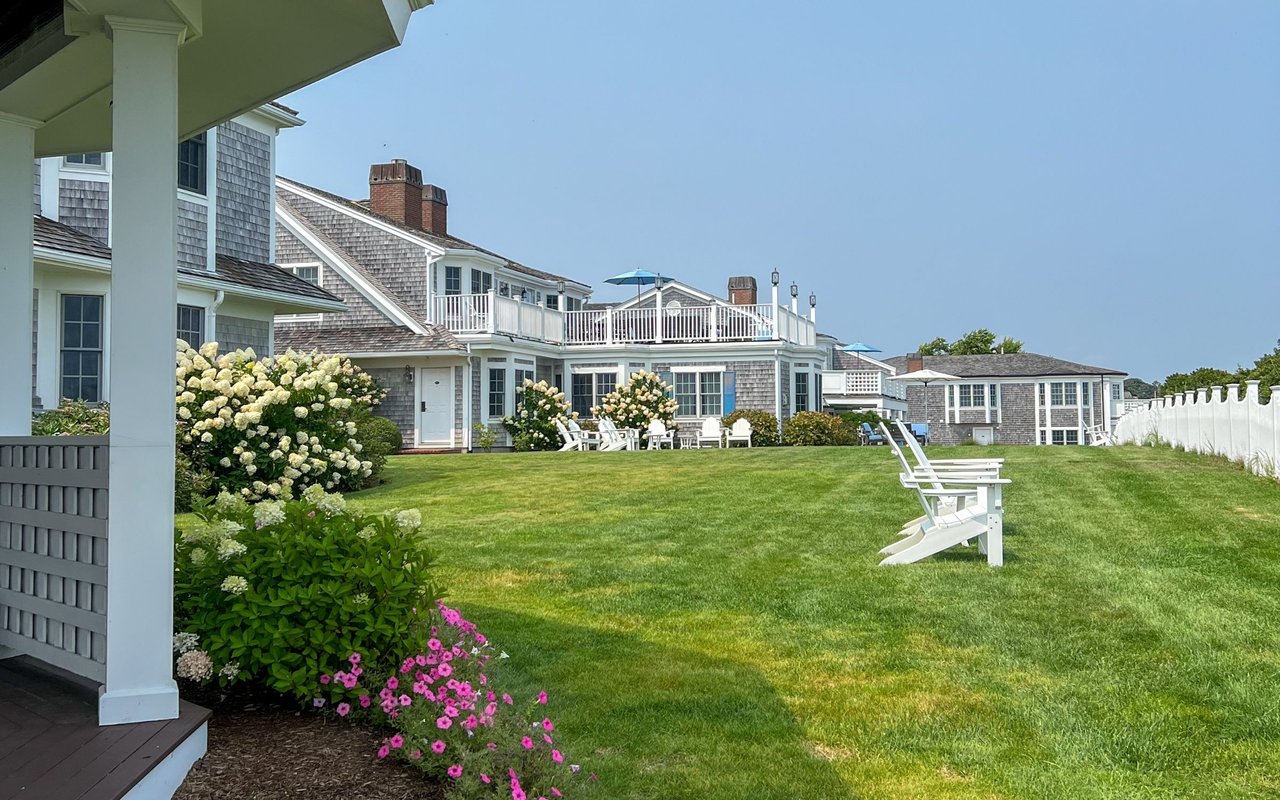
- Nabnasset began as a farming area, then became a summer cottage community around the 142-acre Nabnasset Lake by the 1930s and 1940s. Many of those small cottages have since been converted to year-round homes.
- Westford Center functions as the town's civic core, with Federal, Italianate, Queen Anne, and Colonial Revival homes clustered around the library, town hall, and common.
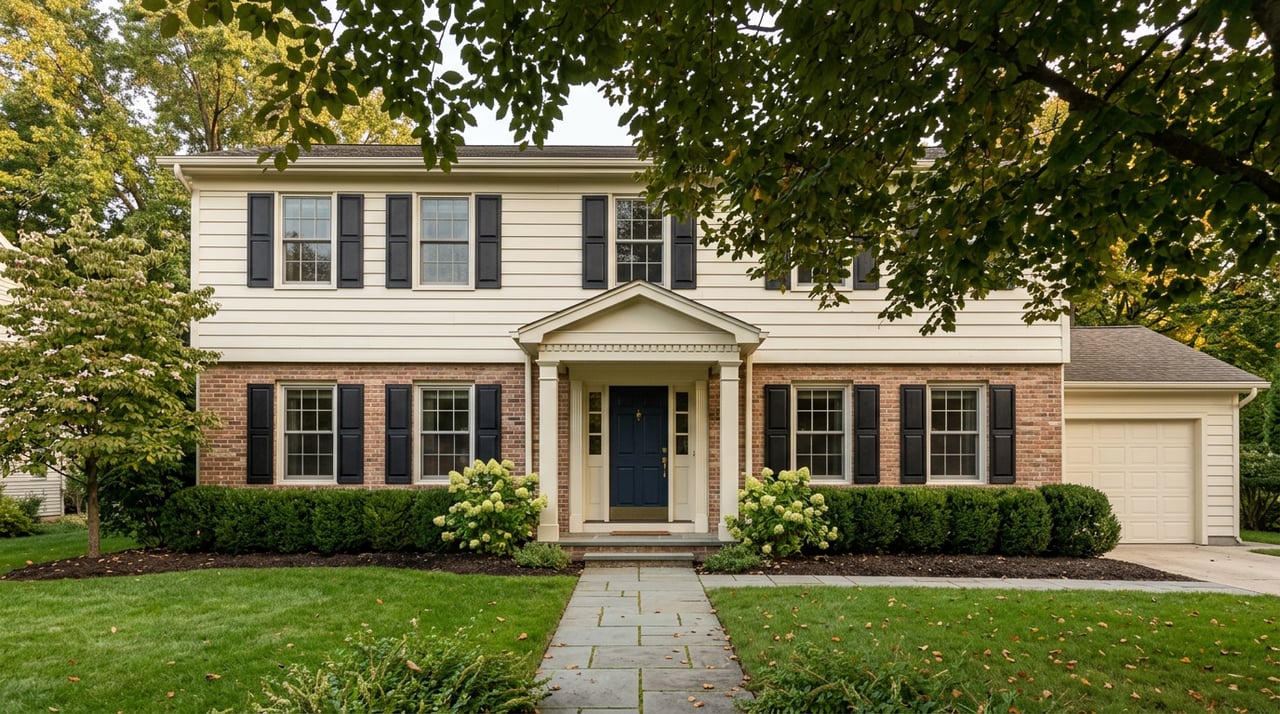
- Parker Village and Brookside, along with newer subdivisions off Concord Road and Groton Road, hold the large-lot colonials and later-era builds that most closely resemble a conventional postwar suburb.
The Westford Historical Society describes these five villages as distinct enough that people outside town sometimes mistake them for separate municipalities. For a buyer, that history is not trivia. It is the reason a Westford listing at $600,000 and a Westford listing at $1,100,000 can sit two miles apart and never compete for the same offer.
Why Nabnasset Undercuts the Median by Six Figures
The clearest example of this split shows up in Nabnasset. The most recent published breakdown, from March 2026, put homes there averaging around $600,000 while the town-wide median sat closer to $875,000, a spread of roughly a quarter million dollars inside the same town, the same tax rate, and the same unified school district. That specific breakdown is now several months old, but the gap it describes is structural rather than seasonal, so there is little reason to expect it has closed.
That is not a discount on quality. It is a different product. Nabnasset's housing stock is smaller by design, built as lake cottages rather than family colonials, on lots shaped around Nabnasset Lake rather than around a subdivision grid. A buyer comparing that price against the town median and concluding Nabnasset is simply "cheaper Westford" is missing the point. It is a genuinely different kind of house, and pricing it against a townwide number will either make it look like a steal or a compromise depending on what the buyer actually wants.
The same logic runs the other direction in Graniteville and Forge Village, where mill-era rowhouses and double houses tend to sit below the town median for reasons tied to lot size and square footage, not condition. And it runs the other direction again in Parker Village and the newer subdivisions, where larger lots and later construction years often price above it.
What the Older Village Stock Costs You at the Table
The Forge Village example at the top of this piece is not an outlier. Westford's village centers carry a meaningful stock of older housing.
The second friction is Title 5. Massachusetts requires a septic system inspection before a home with a private system can be sold, under the state's Title 5 regulations, and a meaningful share of Westford's properties, particularly outside the more built-up village centers, run on private septic rather than town sewer. A failed inspection can turn a straightforward closing into a repair negotiation measured in tens of thousands of dollars, and it is worth confirming a property's septic status before you fall in love with the floor plan.
There is one piece of good news buried in the financing details. Middlesex County is designated a high-cost county, which means the 2026 conforming loan limit for a one-unit property is $1,249,125, according to the Federal Housing Finance Agency's 2026 announcement. Against a town where the sale-basis median runs closer to $800,000, that ceiling leaves real room to finance a purchase and a renovation, including lead abatement or septic replacement, without approaching jumbo territory. That headroom matters more in the older village stock than anywhere else in town, because that is where the renovation need tends to concentrate.
So Which Westford Are You Actually Comparing
Before you anchor a budget to a number you saw on a portal, it helps to ask a few direct questions.
- Is this a sale-price median or a list-price median, and over what window?
- Which village is the comparable set actually drawn from, and does that match the house you're considering?
- Is the property on town sewer or private septic, and if septic, has it passed a Title 5 inspection recently?
A Westford shopping list built around one townwide figure will either scare a buyer out of villages they can actually afford or lull them into underestimating what an older village home requires before it closes. Treating Westford as five markets instead of one is the more accurate way to shop it, and it is also the more useful way to price an offer.
A Few Questions Worth Asking Directly
Are Westford's village boundaries official? No. The five villages, Westford Center, Forge Village, Graniteville, Nabnasset, and Parker Village along with Brookside, are historical and cultural distinctions rather than zoning or municipal lines. You will not find them on an assessor's map, but you will find their fingerprints in the housing stock.
Do all five villages share the same public schools? Yes. Westford operates a single unified school district, so a family choosing between Nabnasset and Parker Village is choosing between housing stock, lot size, and commute, not between school assignments.
If you are trying to figure out which of Westford's villages actually fits your budget and your list of must-haves, that is exactly the kind of local groundwork Plunkett Properties works through with buyers every week. Contact us and we can walk the comparables village by village, not just townwide.
This article is general information, not legal, tax or financial advice. Consult a qualified professional about your situation.