If you are thinking about selling in Woburn, speed alone should not make you complacent. Even in a competitive market, buyers still notice condition, cleanliness, and signs of deferred maintenance right away. The good news is that a focused prep plan can help you reduce buyer concerns, support a stronger first impression, and move toward your sale with more confidence. Let’s dive in.
Why prep still matters in Woburn
Woburn remains a relatively fast-moving market, but that does not mean every home sells effortlessly. Recent data points to strong demand, with Redfin reporting about eight offers on average and homes selling in around 31 days, while the Massachusetts Association of REALTORS reported 1.3 months of inventory for Woburn single-family homes and 98.2% of original list price received year to date in April 2026. Those figures come from different timeframes and property groupings, but they point to the same practical takeaway: pricing and presentation still matter.
In a market like this, buyers often compare homes quickly and make decisions fast. That is why it helps to launch with as few objections as possible. If your home looks well cared for and ready for the next owner, you are in a better position from day one.
Focus on buyer confidence first
When you prepare your home for sale, your goal is not to make it perfect for every taste. Your goal is to make buyers feel confident about the condition, function, and upkeep of the property. That confidence can influence how they view your home, how quickly they act, and how comfortable they feel making a strong offer.
Current seller guidance consistently favors move-in-ready condition over a long list of cosmetic upgrades. Buyers respond most strongly to homes without major repair issues, especially when core systems like electrical, plumbing, and HVAC appear updated and functional.
Start with visible defects
Small issues can create outsized doubt. Peeling paint, scuffed walls, loose handles, worn caulk, missing bulbs, and lingering odors may seem minor, but they can make buyers wonder what else has been overlooked.
Before you spend money on bigger projects, walk through your home with a critical eye. Fix the items that make the property feel tired, unfinished, or less cared for than it really is.
Prioritize systems and key surfaces
If your budget allows, put your money where buyers tend to look hardest. Recent guidance points to roof condition, kitchen and bath freshness, and HVAC performance as meaningful areas of focus.
That does not always mean a full renovation. In many cases, clean, functional, and well-maintained beats highly customized. A practical update that supports daily use often does more for buyer confidence than an expensive project with limited broad appeal.
Avoid over-improving without a reason
Major remodels are not always necessary before listing. In fact, seller prep advice increasingly points toward functionality and broad appeal rather than over-customizing.
If you are deciding between a long renovation list and a shorter plan built around maintenance, touch-ups, and presentation, the second option is often the smarter one. The right scope depends on your home, price point, and timing, but most sellers benefit from targeted improvements instead of chasing perfection.
Clean, declutter, and simplify
A clean home photographs better, shows better, and feels better to buyers in person. Deep cleaning is one of the highest-value steps you can take before listing, especially in kitchens, bathrooms, windows, closets, and visible storage areas.
Decluttering matters just as much. Buyers want to understand the space, storage, and layout without distraction. When countertops, shelves, and floors are cleared, rooms tend to feel larger and easier to imagine living in.
Depersonalize without making it cold
You do not need to erase all character from your home. You do want to reduce highly personal items so buyers can focus on the home itself rather than your routines, collections, or decor style.
Family photos, bold personal design choices, and crowded display areas can pull attention away from the property. A simpler, more neutral presentation helps buyers picture their own furniture and day-to-day life in the space.
Use neutral paint and touch-ups
If paint is dated, scuffed, or very specific in style, neutralizing it can make a big difference. Fresh, simple colors and small touch-ups help rooms feel brighter, cleaner, and more move-in ready.
This is especially helpful if you are preparing for listing photos. Buyers often notice overall condition, cleanliness, and layout first, and neutral finishes can help all three read more clearly.
Improve curb appeal before photos
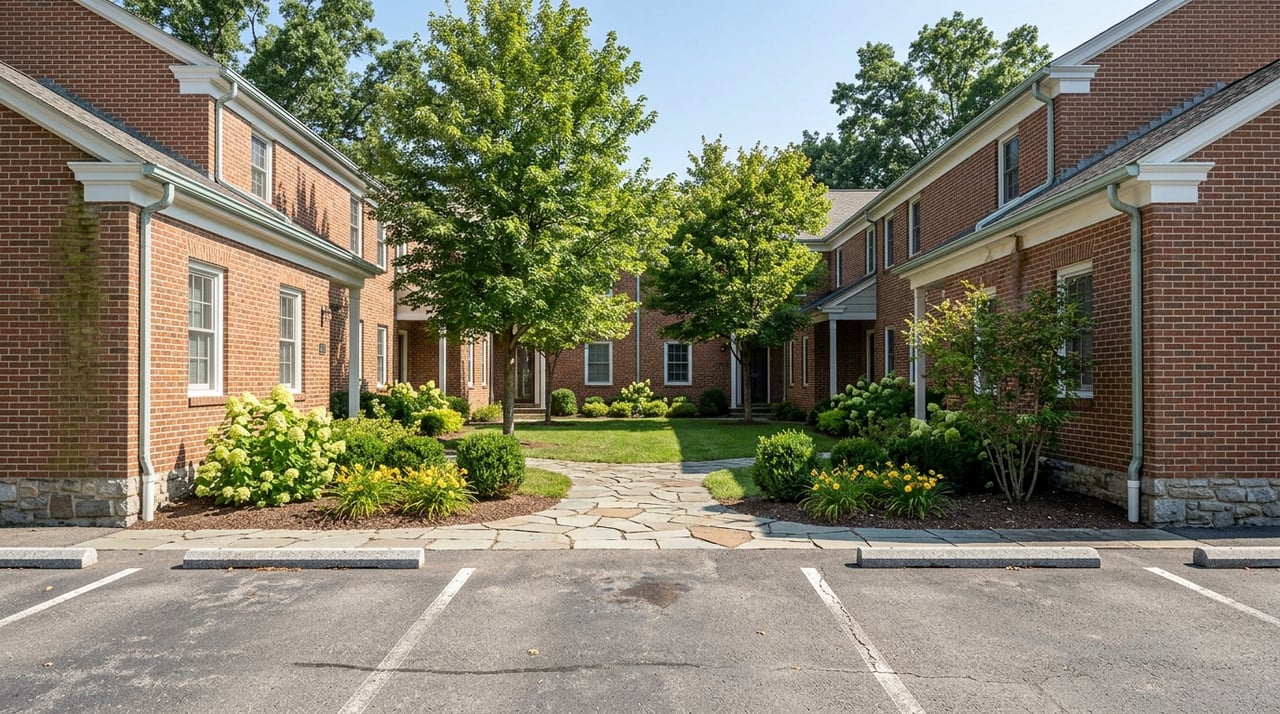
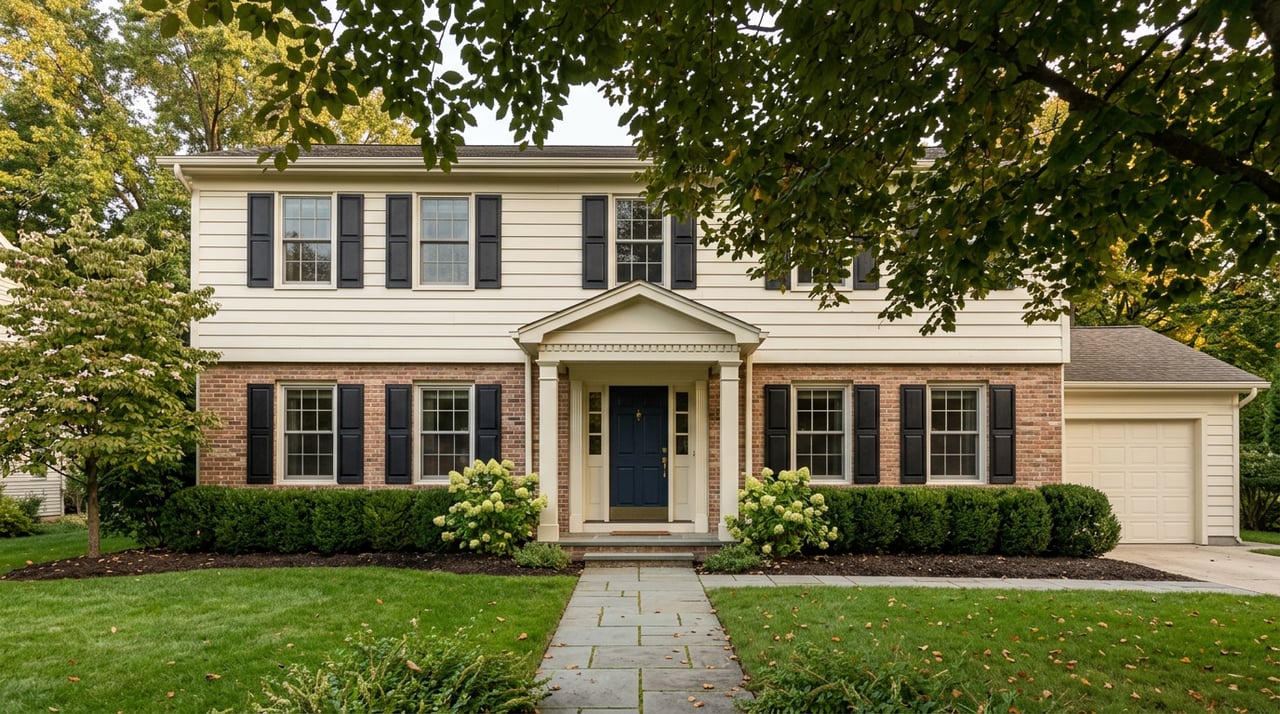
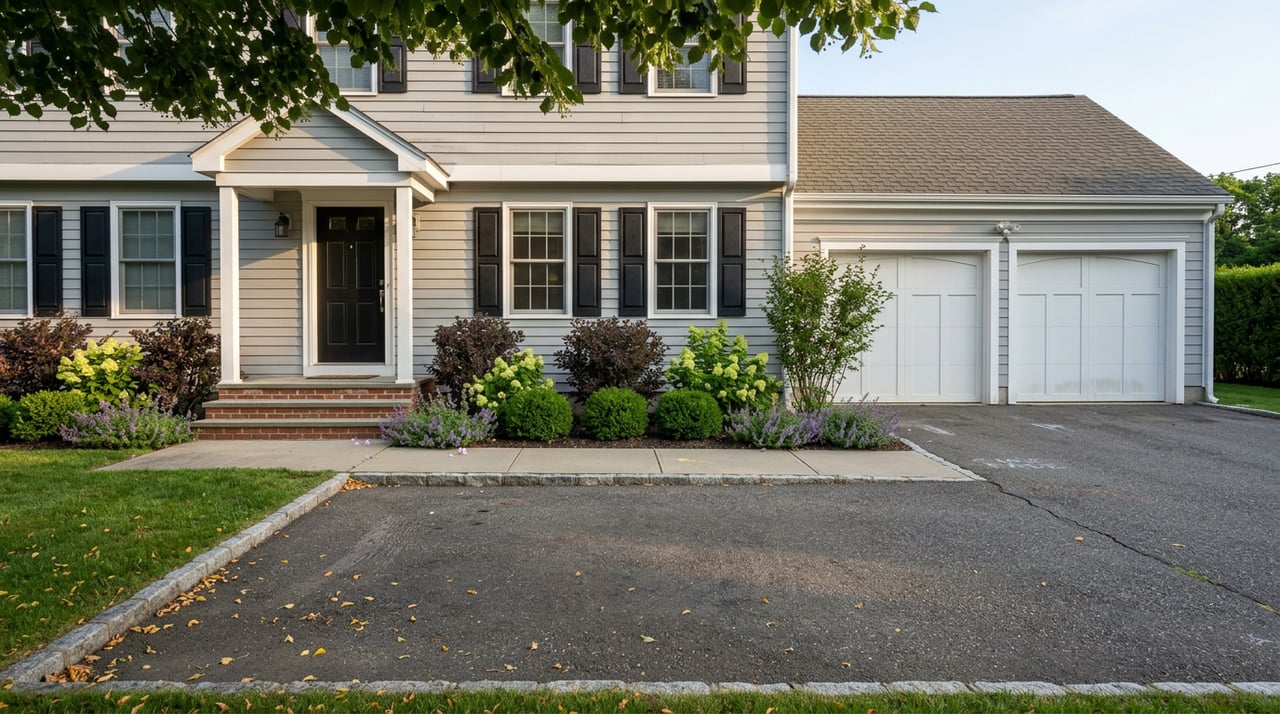
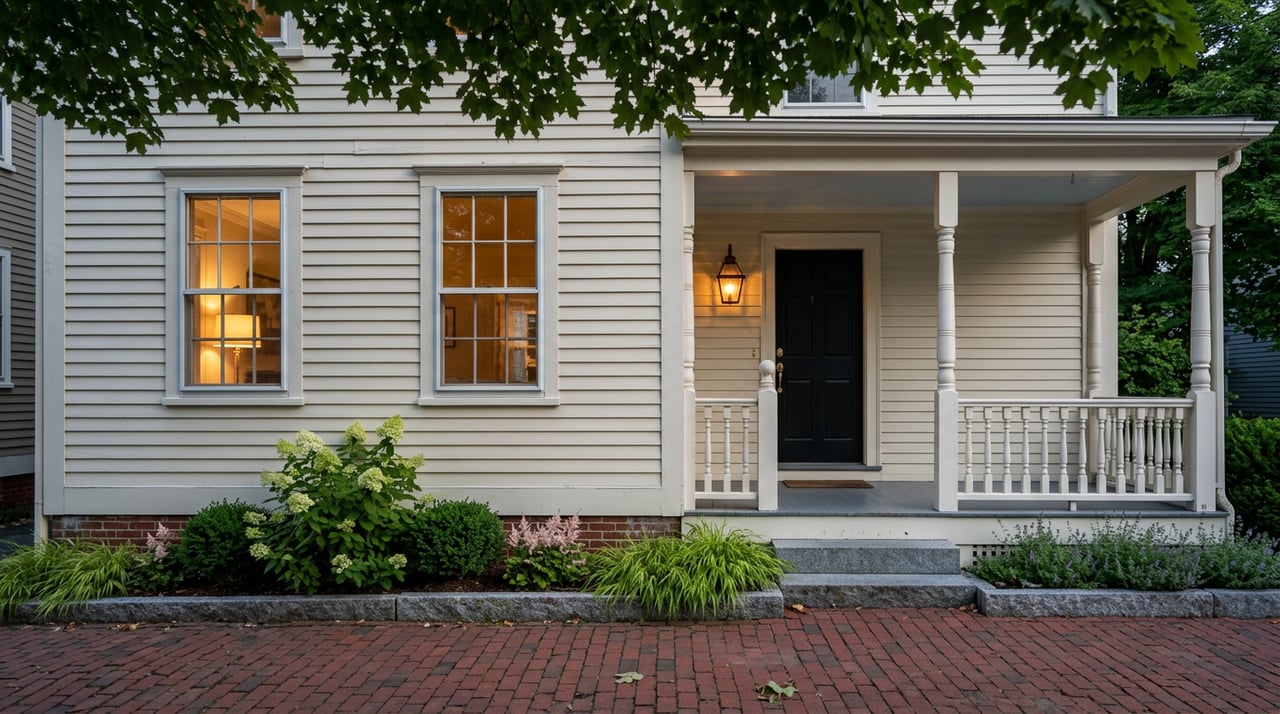
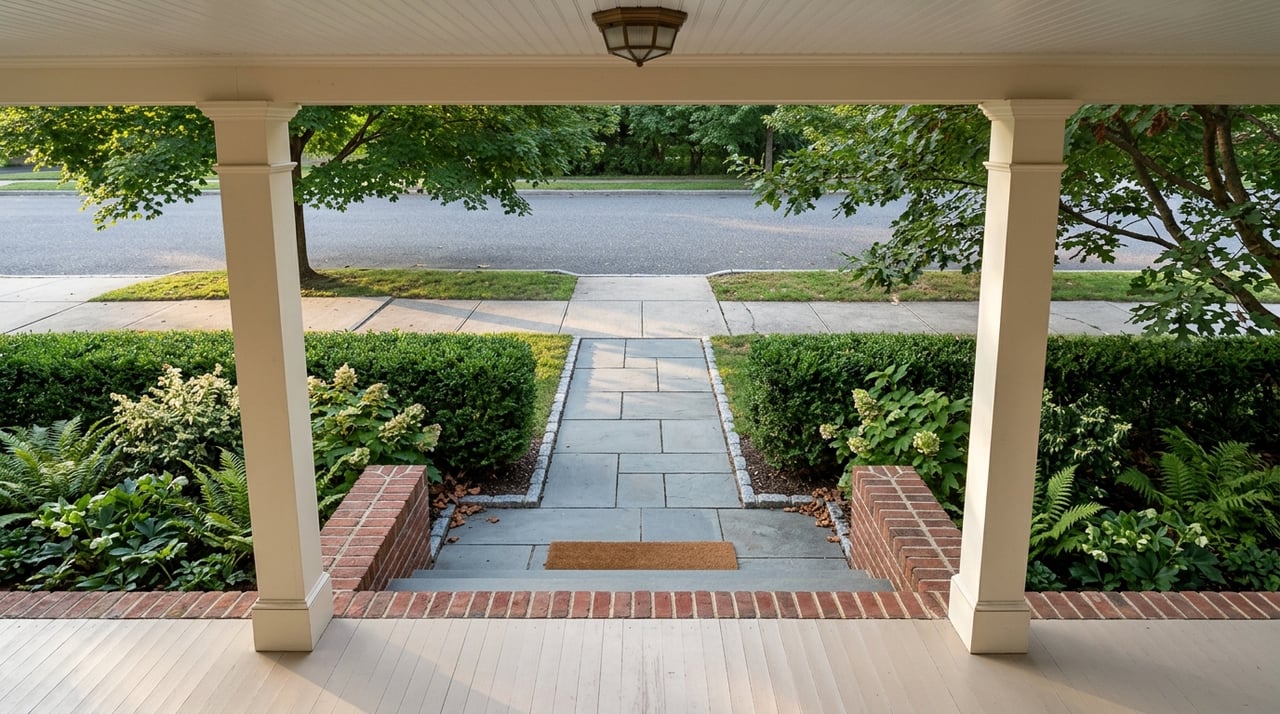
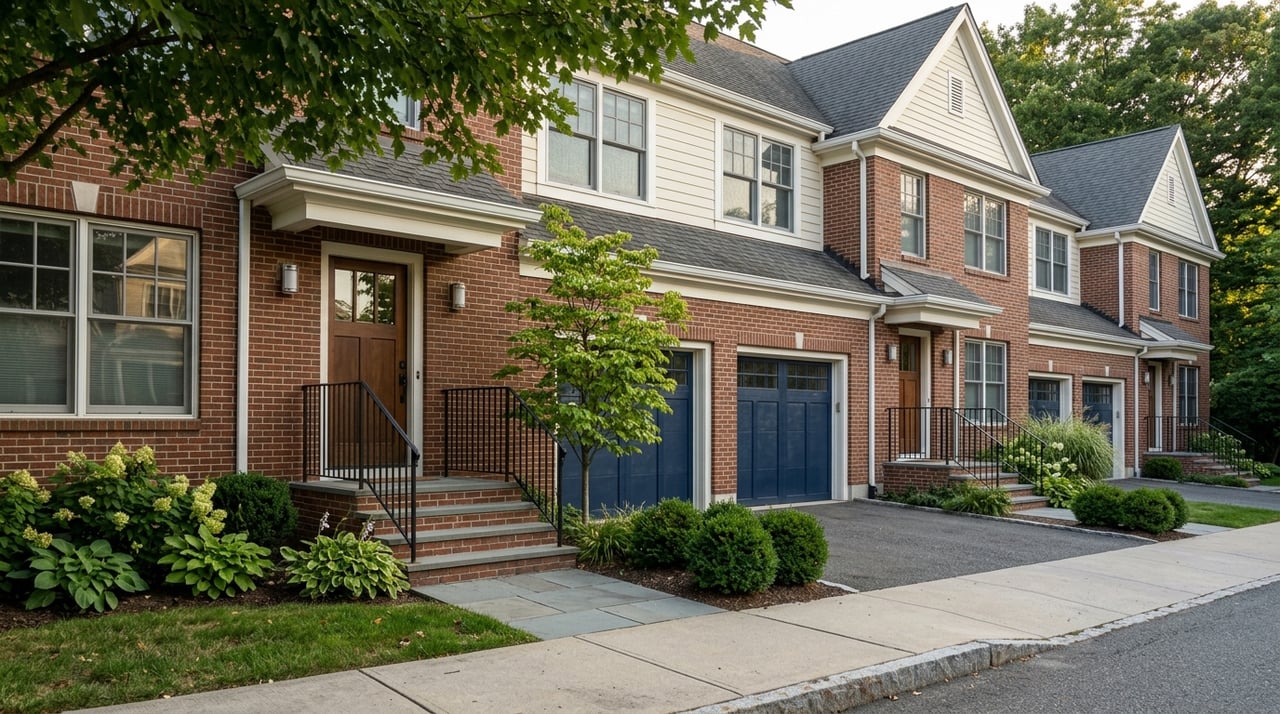
Your exterior sets expectations before a buyer even walks inside. If the front entry, lawn, siding, or walkway feels neglected, buyers may carry that concern through the rest of the showing.
The good news is that curb appeal improvements do not have to be elaborate. Basic upkeep can go a long way in making your home feel welcoming and well maintained.
Simple curb appeal updates
Consider focusing on:
- Lawn care and edging
- Fresh mulch or cleaned planting beds
- Power washing where needed
- Front-door touch-ups
- Clearing leaves, debris, and stored items
- Replacing burned-out exterior bulbs
These are straightforward improvements, but together they help create a stronger first impression online and in person.
Stage the rooms that matter most
You do not always need full-home staging to improve marketability. National staging data shows that many sellers do not fully stage their homes before listing and instead focus on decluttering and fixing property faults.
If you want to be strategic, start with the rooms buyers tend to notice most. Staging research points to the living room, primary bedroom, and dining room as the most commonly staged spaces.
Help buyers visualize the home
Staging works because it helps buyers understand how a room can function. According to recent survey findings, 83% of buyers' agents said staging makes it easier for buyers to visualize a property as a future home.
That can be as simple as better furniture placement, cleaner surfaces, lighter bedding, and removing oversized or extra pieces. The goal is not to decorate for effect. It is to show scale, flow, and comfort.
Prepare for listing media early
Strong photos and video matter because most buyers will form their first impression online. Recent staging research also found that photos, videos, virtual tours, and physical staging are all highly important listing assets.
That means your prep timeline should build toward media day, not just listing day. Repairs, cleaning, decluttering, and curb appeal work should be done before photography is scheduled.
Create a photo-ready checklist
Before your home is photographed, aim to have:
- Completed visible repairs
- Deep cleaning finished
- Counters and surfaces cleared
- Closets and storage areas organized
- Key rooms lightly staged
- Window coverings and lighting adjusted for brightness
- Outdoor spaces tidied and swept
A photo-ready home usually becomes a showing-ready home too, which helps reduce last-minute stress.
Watch for Woburn permit issues
If you are planning updates before listing, do not assume every project is simple from a permit standpoint. Woburn Inspectional Services states that a building permit is required before construction, reconstruction, alteration, repair, removal, or demolition of regulated work.
The city specifically lists items such as additions, dormers, chimneys, decks, roofing, siding, swimming pools, wood stoves, antennas, and sheds. Ordinary repairs may not require a permit if they truly qualify as ordinary repair, but it is wise to confirm that before hiring a contractor or starting work.
Why this matters before listing
Permit questions can slow your prep process if they come up late. They can also create avoidable stress when buyers start asking questions about past or current work.
If you are making improvements before going to market, checking permit requirements early is a smart step. It helps keep your timeline on track and reduces the chance of surprises just before launch.
Plan for smoke and CO compliance
In Woburn, sellers need a certificate of compliance from the local fire department showing smoke and carbon monoxide alarms meet sale or transfer requirements. The city notes that these inspections are scheduled through Fire Prevention staff by phone, with appointments available Monday through Thursday from 4 PM to 5 PM.
This is an easy item to leave too late, especially if you are already juggling repairs, move planning, and listing prep. Put it on your calendar early so it does not become a closing-week scramble.
Order municipal paperwork ahead of time
Another timing item to handle early is the municipal lien certificate. Woburn states that requests must be submitted in writing by mail with payment, and the city notes an average turnaround of 48 to 72 hours, even though state law requires issuance within 10 days excluding weekends and holidays.
The lesson for sellers is simple: do not leave paperwork for the last minute. Small administrative tasks can become stressful when they stack up close to closing.
Work backward from your list date
Seller prep often takes less time than people expect, but it can also take longer if work is delayed or spread across too many decisions. Realtor.com research found that 53% of sellers took one month or less to get their homes ready to list, while Redfin notes that the listing setup phase usually takes 10 to 30 days and that preparation can take as long as needed.
If you want a smoother experience, choose your target list date and work backward. Finish repairs, compliance checks, cleaning, staging, and documents before photos are booked.
A simple prep sequence
A practical order for many Woburn sellers looks like this:
- Walk through the home and make a repair list
- Confirm whether planned work requires permits
- Complete visible fixes and any higher-priority system updates
- Deep clean, declutter, and depersonalize
- Refresh paint and curb appeal where needed
- Stage the most important rooms
- Schedule smoke and CO compliance inspection
- Queue municipal paperwork early
- Book photography once the home is fully ready
This kind of sequence helps you stay organized and keeps your home from going live before it is truly prepared.
Sell with less stress and more confidence
Getting your Woburn home ready for sale does not require a complete overhaul. In most cases, the best results come from a smart, disciplined plan focused on condition, presentation, and local timing requirements.
When you remove obvious distractions, address the right repairs, and handle city requirements early, you give buyers fewer reasons to hesitate. If you want calm, practical guidance as you prepare your next move in Woburn, Plunkett Properties is here to help.
FAQs
What repairs should I prioritize before selling a home in Woburn?
- Focus first on visible defects like peeling paint, scuffed walls, loose hardware, worn caulk, missing bulbs, and odors. If your budget allows, pay close attention to higher-scrutiny items such as roof condition, HVAC performance, and the overall feel of kitchens and bathrooms.
Does a Woburn seller need a smoke and CO inspection before closing?
- Yes. Woburn requires sellers to obtain a certificate of compliance from the local fire department showing smoke and carbon monoxide alarms meet sale or transfer requirements.
Do pre-sale home improvements in Woburn require permits?
- Some do. Woburn requires permits for many regulated projects, including work such as decks, roofing, siding, sheds, chimneys, and additions, while ordinary repairs may not require a permit if they truly qualify as ordinary repair.
How long does it take to prepare a Woburn home for sale?
- It varies, but recent research cited in this article says many sellers take one month or less to get ready, while listing setup often takes 10 to 30 days. The best approach is to work backward from your target list date.
Which rooms should I stage first when selling a Woburn home?
- If full staging is not in the budget, start with the living room, primary bedroom, and dining room. These spaces are commonly prioritized because they help buyers understand how the home lives and flows.