If you are trying to make sense of Wilmington rents, you are not alone. This is not a market with endless apartment towers and one simple average that tells the whole story. Wilmington has a limited rental supply, a commuter-friendly location, and a housing mix that can push pricing in very different directions. If you want a practical read on what rents look like and what shapes them, this guide will help. Let’s dive in.
Wilmington rental market snapshot
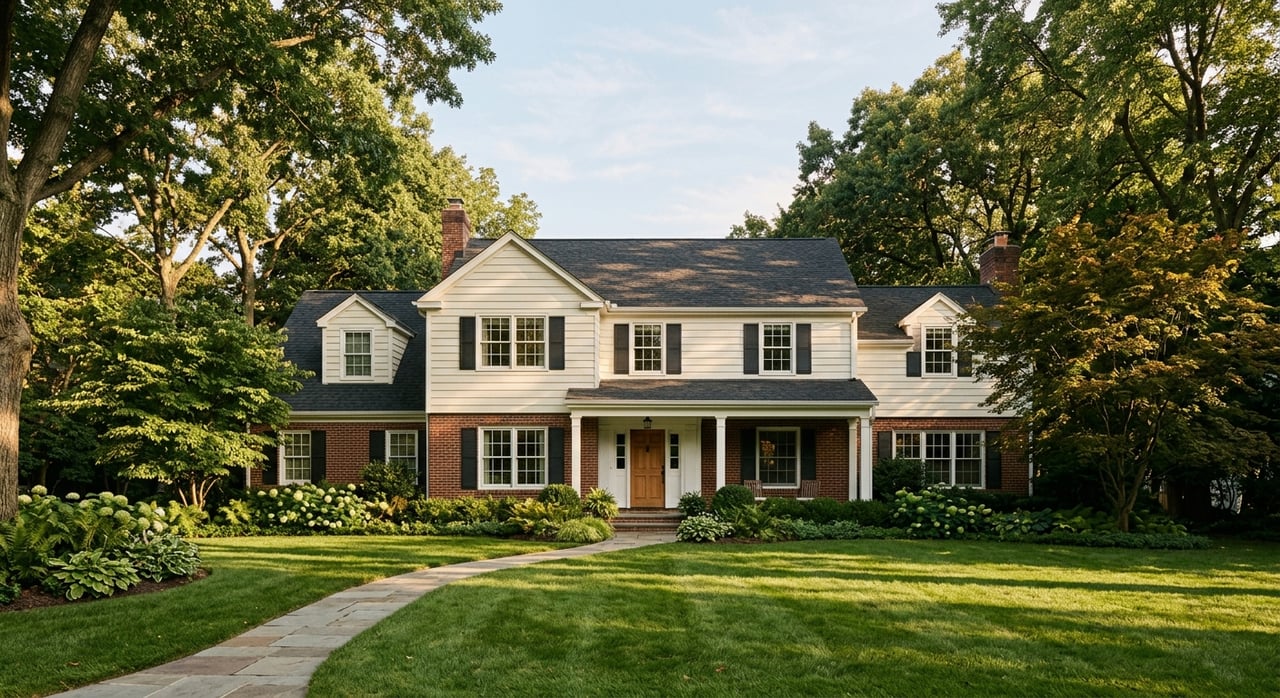
Wilmington is a small Middlesex County town about 15 miles north of Boston, and its housing profile helps explain a lot about the rental market. Town materials note four exits off I-93 and two commuter rail stations, which support commuter demand. At the same time, Census Reporter shows that about 88% of the housing stock is owner-occupied and about 88% is made up of single-unit structures.
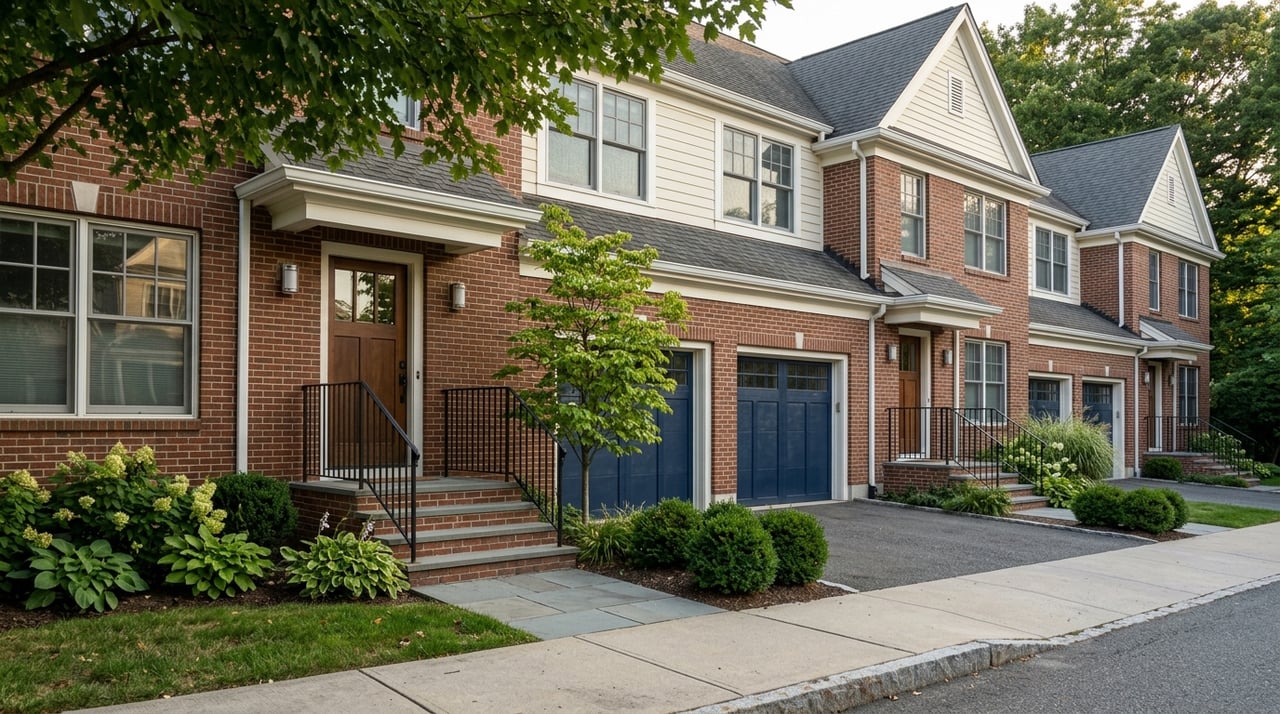
That matters because Wilmington is not built like a large apartment-centered market. Instead, many rentals are likely to come from condos, investor-owned homes, and a smaller pool of multifamily properties. In practical terms, that can mean fewer available rentals at any given time and a wider range of asking rents depending on the property.
Wilmington also has a median household income of $168,152, which is well above the Massachusetts and U.S. medians. That helps support higher rent levels than some outer suburban markets. For both renters and owners, it is a reminder that local pricing is shaped by more than square footage alone.
What Wilmington rents look like now
Recent listing platforms place Wilmington rents in the low-$3,000s overall. Zillow reported an average rent of $3,210 in late May 2026, RentCafe reported an average of $3,041 in early June 2026, Redfin reported a median rent of $3,052, and Realtor.com showed a median of about $3.3K in March 2026.
The key is to look at the range, not one exact number. Each platform tracks different listings and uses its own method, so the numbers will not match perfectly. Still, they point to the same general takeaway: Wilmington is a relatively high-rent suburban market with asking rents that often cluster around the low-$3,000s.
Zillow’s bedroom breakdown also shows how quickly rents rise with size:
- 1 bedroom: $2,784
- 2 bedrooms: $3,347
- 3 bedrooms: $3,546
- 4 bedrooms: $4,000
If you are searching for a rental, this gives you a helpful starting point for budgeting. If you are an owner, it shows why unit size can have such a strong effect on pricing strategy.
Why Census rent looks lower
You may also see a lower number in Census data. Census QuickFacts reports a median gross rent of $2,394 for 2020 through 2024.
That does not mean listing sites are wrong. Census gross rent includes contract rent plus selected utility costs, and it reflects a different time frame and measurement than current asking rents on listing platforms. The two numbers answer different questions, so they should not be treated as direct apples-to-apples comparisons.
What drives rent in Wilmington
Property type and size
In Wilmington, property type matters a lot because the town is dominated by single-unit housing. A detached house rental, a townhome, and a condo rental may all compete in different price bands even if they have similar bedroom counts.
Size also matters quickly. The current bedroom pricing shows a meaningful jump from one-bedroom units to larger homes. That is especially important in a market where available inventory may be limited and larger units are not always easy to find.
Transit and commuter access
Wilmington’s commuter setup is a major part of its rental story. With I-93 access and two commuter rail stations, some rentals may appeal strongly to people who need regular access to Boston or nearby employment centers.
Town planning materials also describe an MBTA Communities Multi-family Overlay District meant to add options for condos or apartments near transit, including areas within half a mile of a commuter rail station. For renters and owners alike, that is a useful reminder that properties near stations and commuter corridors may compete in a different submarket than homes in more removed locations.
Utilities and included costs
Utilities can make a listing look more or less competitive than it first appears. Since Census gross rent includes certain utility costs, owners and renters should be careful when comparing one number to another.
For example, a unit that includes heat, hot water, or other services may justify a higher asking rent than a similar unit where the tenant pays those costs separately. Clear side-by-side comparisons matter in Wilmington just as much as the headline rent number.
Condition and readiness
Condition plays a direct role in rent potential, but so does compliance. For pre-1978 rental properties in Massachusetts, lead law disclosure requirements apply, and landlords and tenants must sign the Tenant Lead Law Notification and Tenant Certification.
For small owners, this can affect both timing and preparation before a unit goes on the market. A well-prepared rental is not just clean and attractively presented. It also needs the required documentation in place.
Is Wilmington a strong rental market?
Current data suggests Wilmington has healthy rental demand relative to the national average. Zillow classifies the market temperature as warm.
That does not mean every property will lease at the same pace or price. It does mean Wilmington appears to benefit from a mix of limited rental stock, commuter appeal, and local income levels that support steady demand. For owners, that can be encouraging. For renters, it is a sign that preparation and quick decision-making may matter.
What Massachusetts lease rules mean for owners
If you are thinking about renting out a Wilmington condo or home, Massachusetts rules deserve close attention. A written residential lease is usually for one year, while month-to-month arrangements are generally tenancies at will.
Under Massachusetts guidance, a tenancy at will can usually be ended or have rent changed only with at least 30 days’ advance written notice. That makes written communication and documentation very important from the start.
Landlords must also provide a rental that is safe, clean, and compliant with the Massachusetts Sanitary Code. If conditions are not resolved, tenants can ask the local board of health to inspect the property. In other words, maintenance is not something to handle only when convenient. It is a core part of rental ownership.
Security deposits require careful handling
Massachusetts has strict security deposit rules. Landlords may collect first month’s rent, last month’s rent, a security deposit equal to one month’s rent, and lock-and-key costs.
The security deposit must be held in a separate, interest-bearing Massachusetts bank account. It also must generally be returned within 30 days after the tenancy ends, subject to lawful deductions. For small owners, this is one of the clearest examples of why organization and recordkeeping matter.
Self-managing vs. getting help
Some Wilmington owners can manage a rental successfully on their own. Self-management may work well if you are local, organized, and comfortable handling screening, notices, deposits, repairs, maintenance coordination, and ongoing records.
But many first-time landlords find that the workload is heavier than expected. Communication, compliance, and maintenance follow-up can take real time, especially when a unit turns over or an issue needs a quick response.
That is why some owners compare the cost of self-management with professional support. Management fees are treated by IRS rules as ordinary rental expenses, which makes them part of the broader financial picture when you are evaluating how involved you want to be day to day.
A practical takeaway for Wilmington owners
Wilmington is best understood as a high-owner-occupancy suburban market with relatively limited rental supply and steady commuter-oriented demand. Asking rents currently tend to cluster around the low-$3,000s, but actual pricing can shift based on size, property type, transit access, included utilities, and condition.
If you own a condo, single-family home, or small investment property in Wilmington, the opportunity may be appealing, but so is the responsibility. Before you list a unit, it is smart to think through pricing, maintenance, compliance, deposits, notices, and how much day-to-day management you want to handle yourself.
If you want local, practical guidance on Wilmington rentals, landlord support, or leasing strategy, Plunkett Properties brings hands-on experience with rentals, owner services, and property management across Winchester and nearby towns.
FAQs
What is the average rent in Wilmington, MA?
- Recent listing platforms place Wilmington rents in the low-$3,000s, with reported figures ranging from about $3,041 to $3,300 depending on the source and methodology.
Why are Wilmington, MA rent numbers different across websites?
- Rental websites use different listing pools and calculation methods, so averages and medians vary. It is usually more useful to look at the overall pricing band than one exact figure.
How much does a one-bedroom rental cost in Wilmington, MA?
- Zillow reported a typical one-bedroom rent of $2,784 in May 2026.
What affects rent prices in Wilmington, MA?
- The main factors include property type, bedroom count, transit access, included utilities, and the property’s condition and compliance readiness.
Are Wilmington, MA landlords allowed to collect a security deposit?
- Yes. Massachusetts allows landlords to collect first month’s rent, last month’s rent, a security deposit equal to one month’s rent, and lock-and-key costs, with strict handling rules for the deposit.
What should Wilmington, MA owners know before renting out an older home?
- If the property was built before 1978, Massachusetts lead law disclosure requirements apply, and the required tenant notification and certification forms must be completed.
Is Wilmington, MA a good fit for self-managing a rental?
- It can be, but owners should be prepared for screening, written notices, deposit handling, maintenance coordination, and detailed recordkeeping under Massachusetts rules.