Thinking about buying in Lexington? It is easy to see the appeal, but it is just as important to understand what you are stepping into before you start touring homes. Lexington is one of the higher-priced, tighter-inventory markets in Middlesex County, so a little preparation can save you time, stress, and missed opportunities. If you want a clearer picture of pricing, competition, housing types, and day-to-day tradeoffs, this guide will help you go in with your eyes open. Let’s dive in.
Lexington is a premium market
If you are shopping in Lexington, the first thing to know is that this is not an entry-level suburban market. Recent market snapshots place homes roughly from the mid-$1.6 million range up into the high-$1 million to low-$2 million range, depending on the source and time period measured. The exact numbers vary, but the pattern is consistent: Lexington sits near the top of the Greater Boston suburban price ladder.
That matters because your budget needs to match the local reality early on. Lexington’s housing needs assessment estimates that buying a $1.6 million home would require about $410,285 in annual income to keep housing costs below 30% of gross income. Even for well-qualified move-up buyers, that helps explain why Lexington can feel financially tight.
Expect competition and quick decisions
Price is only part of the story. Lexington is also a fast-moving market where buyers often need to act quickly when the right property appears. Recent reports show homes selling in roughly 8 to 23 days, with Redfin reporting an average of 9 offers on a home in its latest snapshot.
In practical terms, this means preparation matters before you start your search. You do not want to be figuring out financing, timing, or must-have features after a good home hits the market. In Lexington, serious buyers are usually ready to tour quickly and make decisions with confidence.
Why the numbers can look different
You may notice that one source reports a median sale price near $1.97 million, while another shows a median sold price closer to $1.715 million or a typical value around $1.61 million. That does not mean the data is unreliable. It usually reflects different date ranges, listing pools, and methodologies.
The better takeaway is not to fixate on one exact number. Instead, focus on the bigger pattern: Lexington is expensive, inventory is limited, and buyers should expect competition.
Housing options are more varied than you might think
Lexington is often associated with large, high-end homes, but the actual housing mix is broader than that. According to the town’s housing needs assessment, about 82% of housing units are single-family homes, and rentals make up about 17% of the housing stock. The town also reports only 156 two- and three-family homes in its FY2025 street listing, which shows how heavily Lexington leans toward single-family housing.
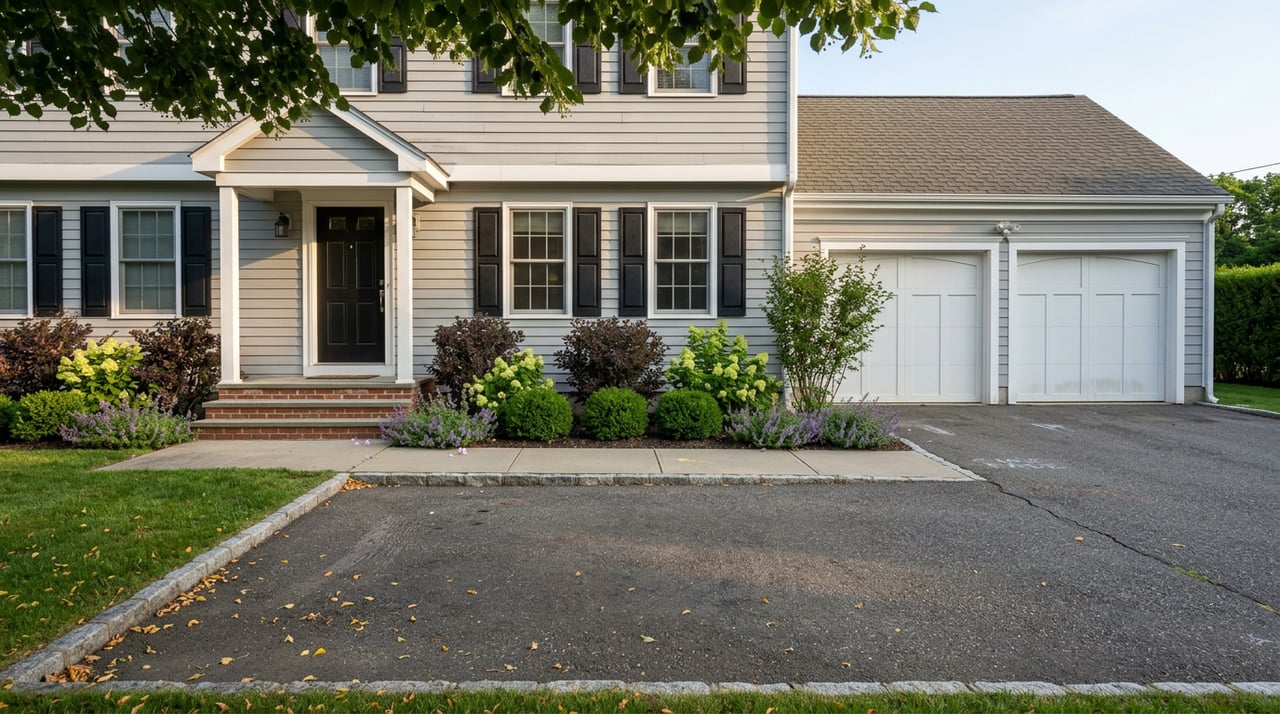
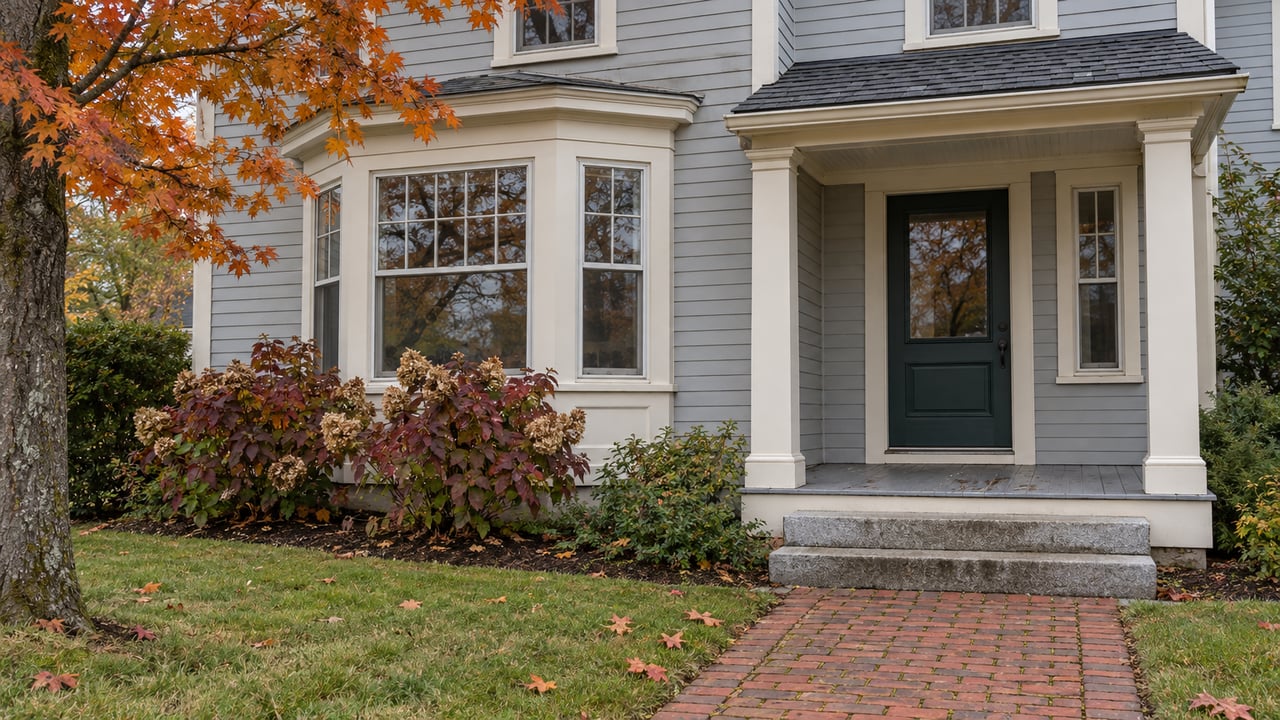
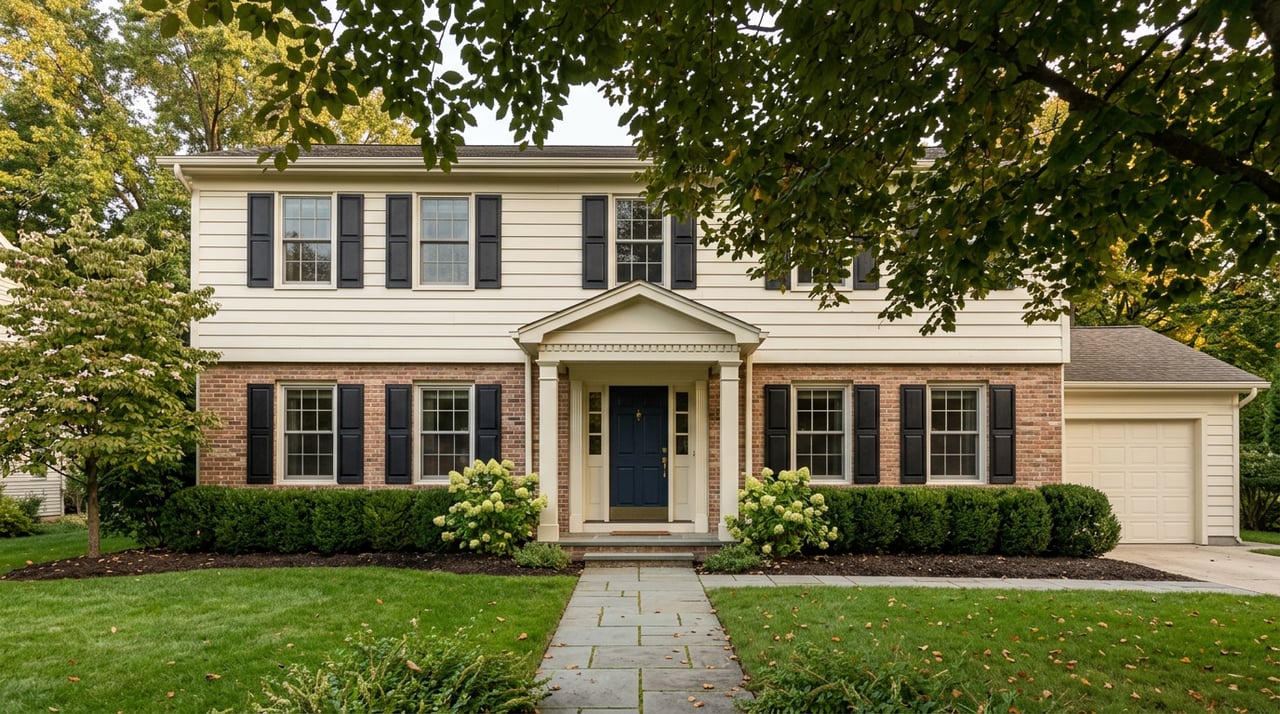
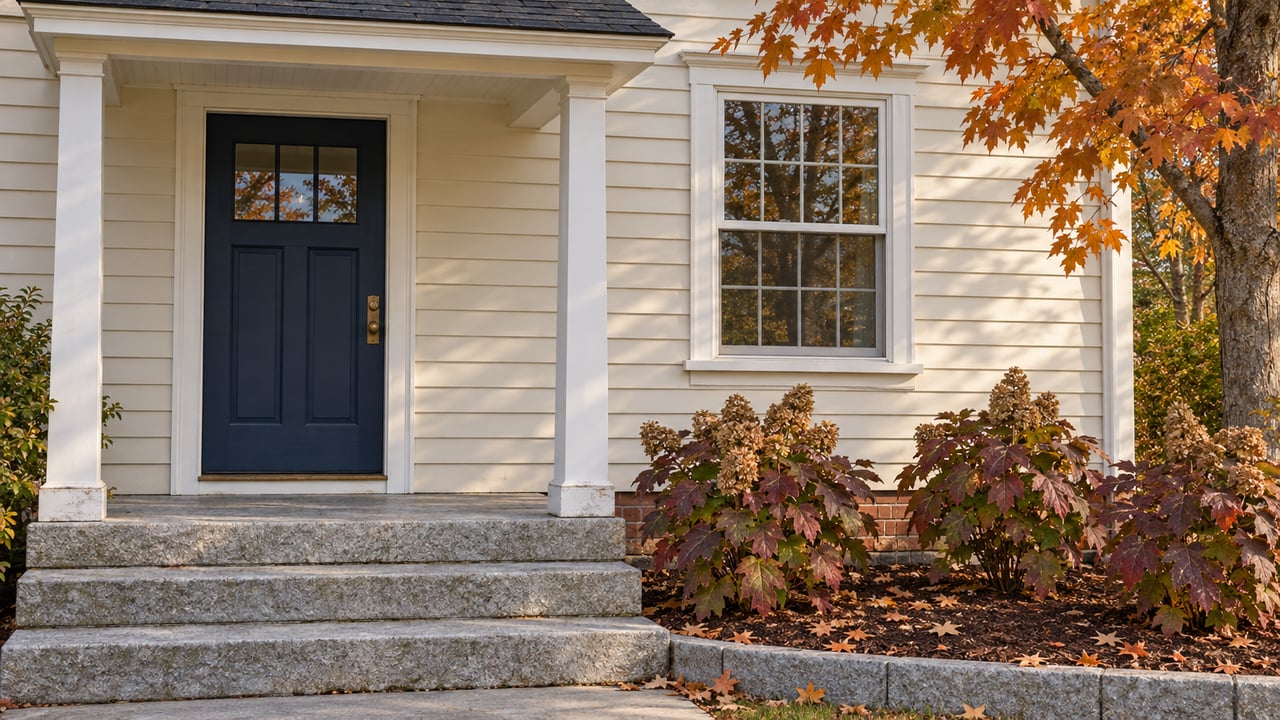
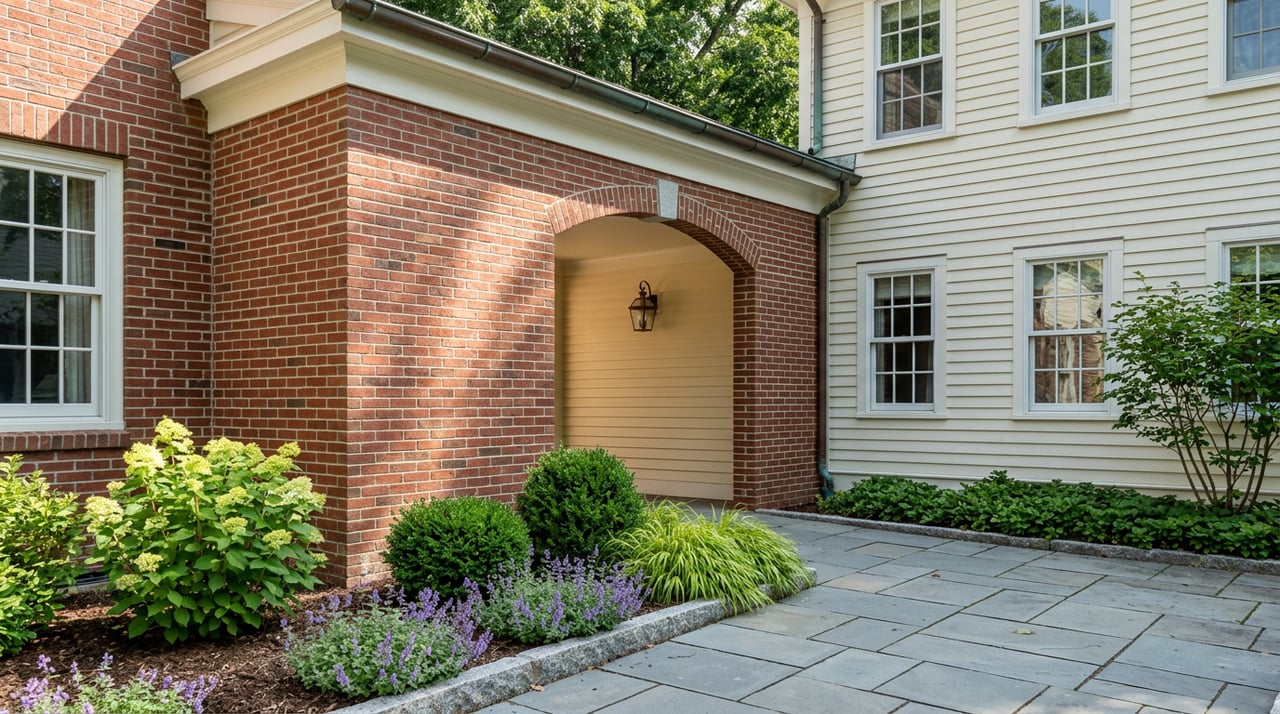
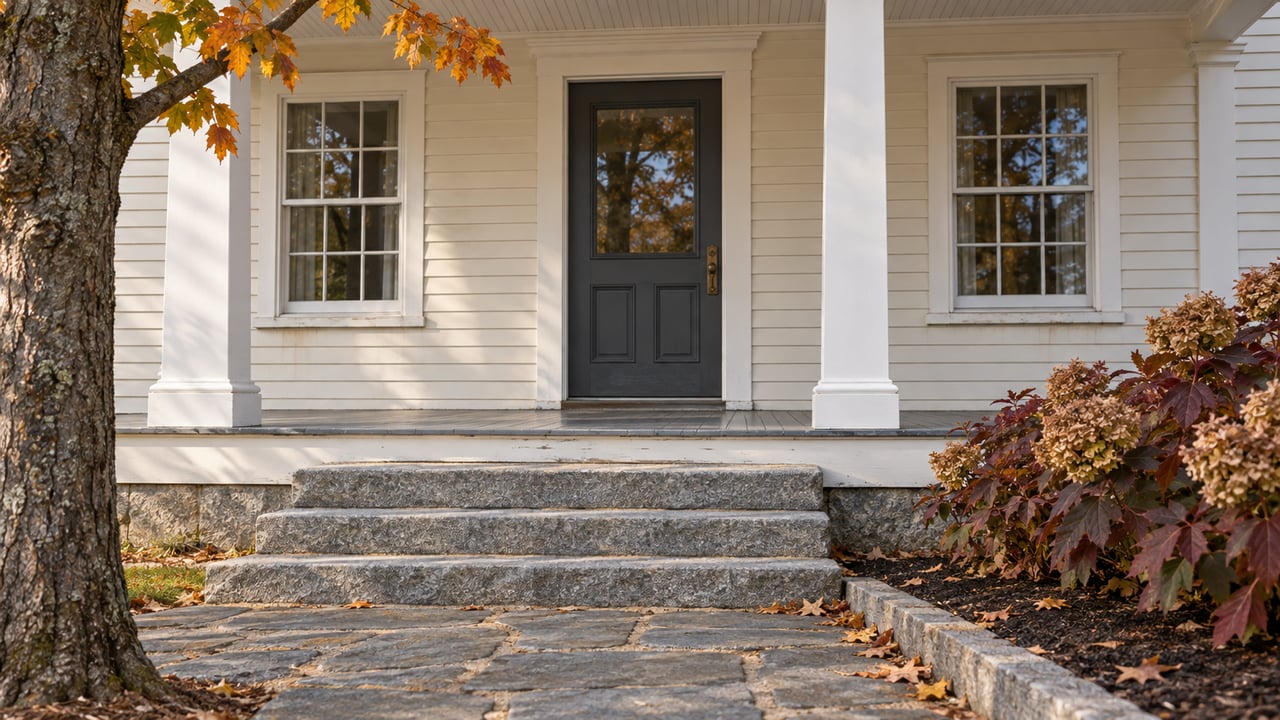
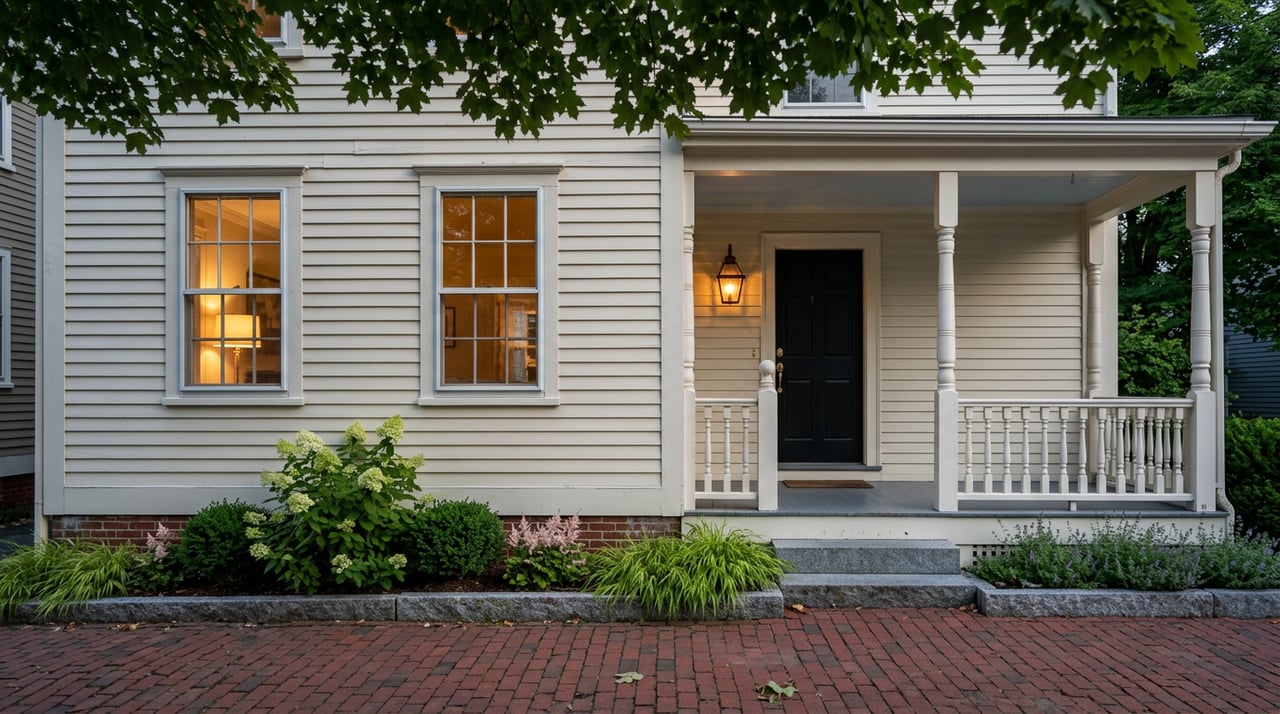
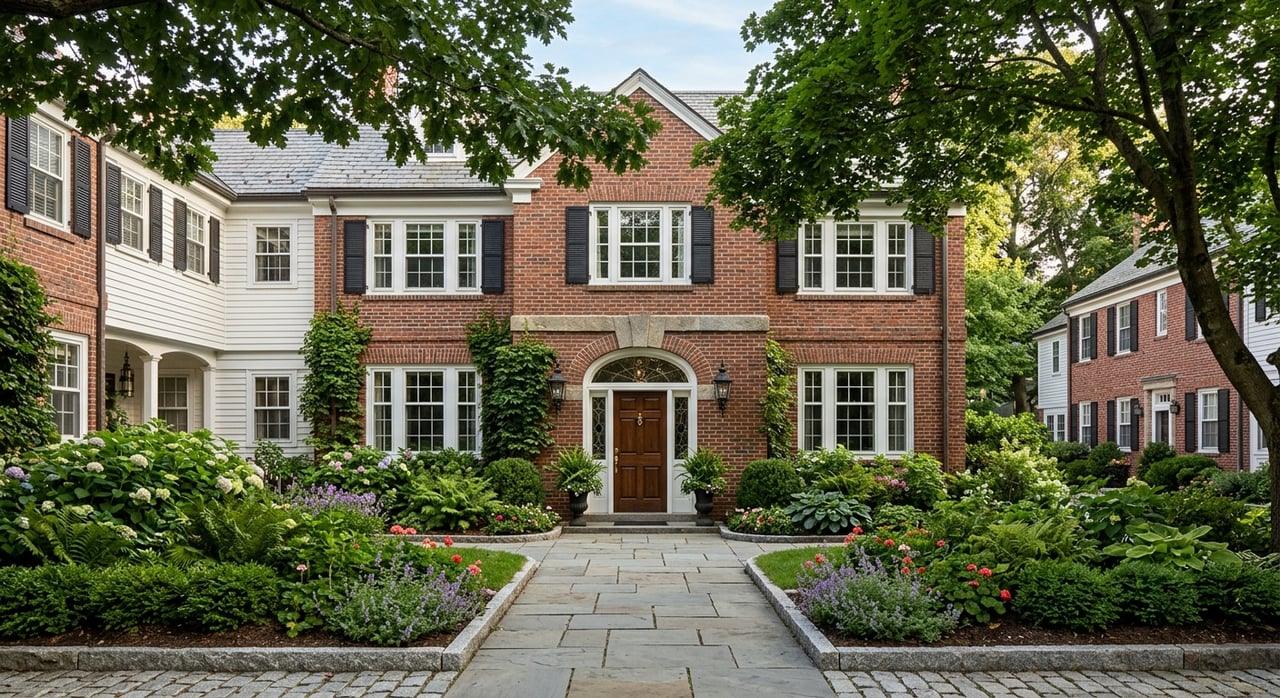
That said, not every home is a brand-new build. Lexington includes older colonials, capes, and mid-century homes alongside expanded and rebuilt properties. If you go in expecting only new construction or only historic homes, you may miss good options.
Older homes are a major part of the market
A large share of Lexington homes were built decades ago. The town reports that 22% of homes were built in 1939 or earlier, 24% between 1940 and 1959, and 23% between 1960 and 1979. Only 18% were built in 2000 or later.
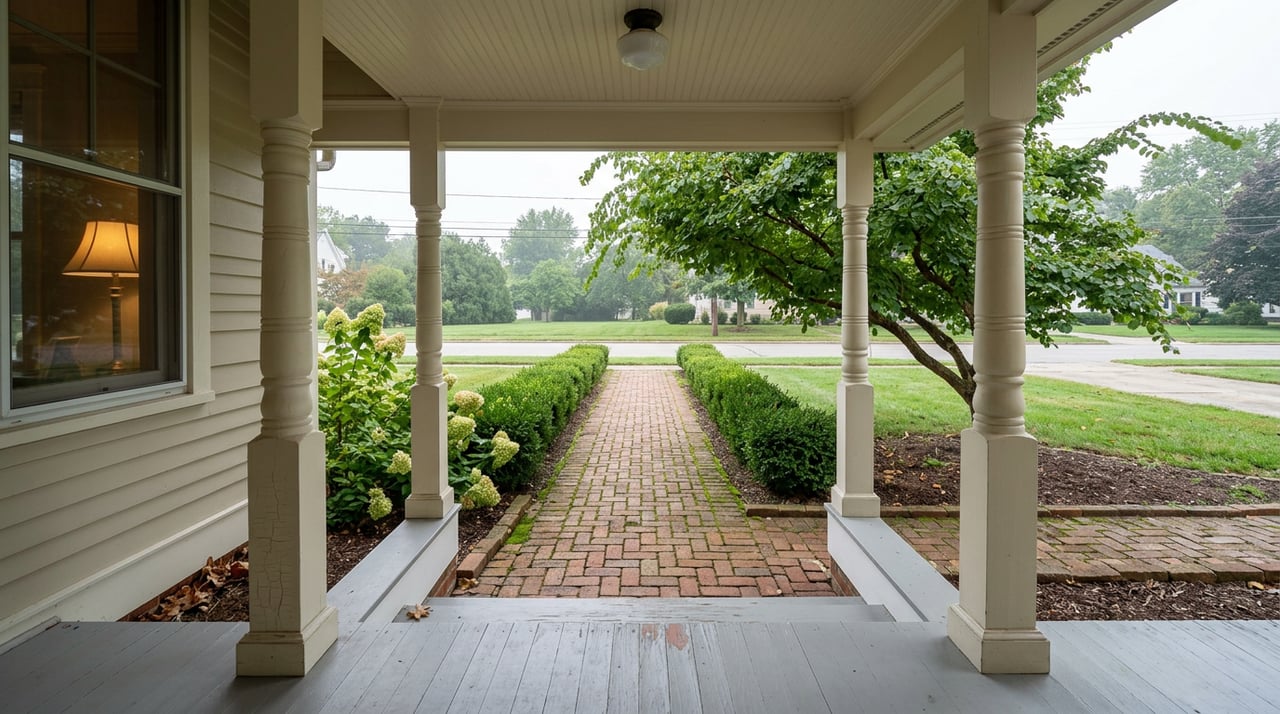
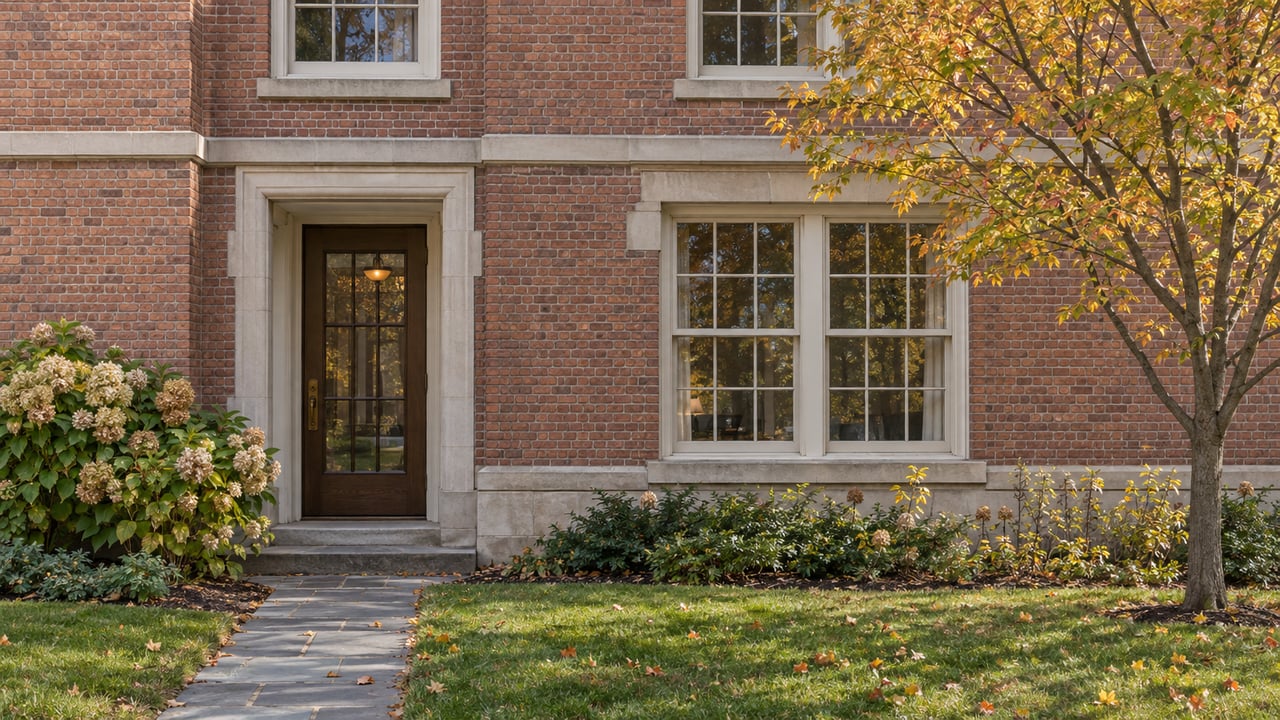
For you, that can mean charm and established surroundings, but it can also mean more questions during due diligence. Age alone is not a problem, but older homes may come with different maintenance histories, layouts, and renovation considerations than newer construction.
Teardowns and rebuilds have shaped inventory
Lexington has also seen a meaningful amount of replacement development. The town estimates that 14% of single-family inventory was replaced through teardown activity over the prior twenty years, and new single-family homes averaged 2.74 times the size of the homes they replaced.
This helps explain why two homes on the same street can feel completely different in scale and style. As a buyer, it is worth paying attention not just to the house itself, but also to the surrounding pattern of older homes, additions, and newer rebuilds.
Condos may still cost more than expected
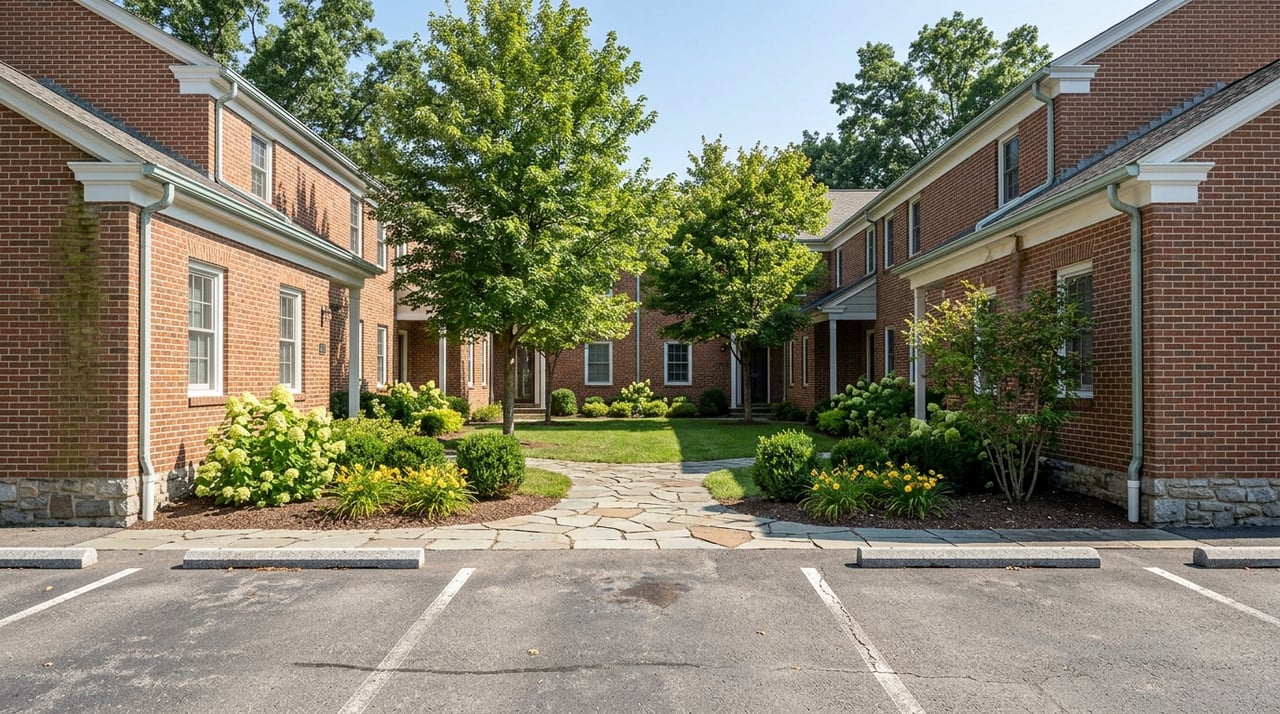
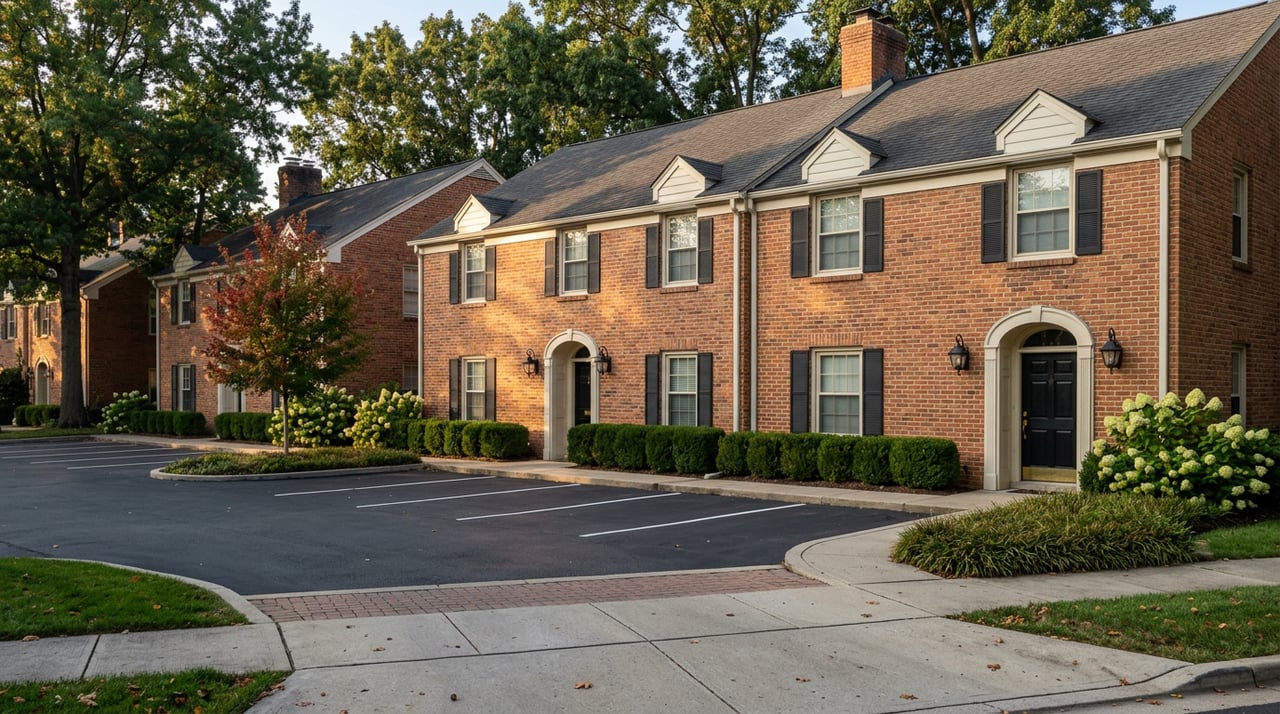
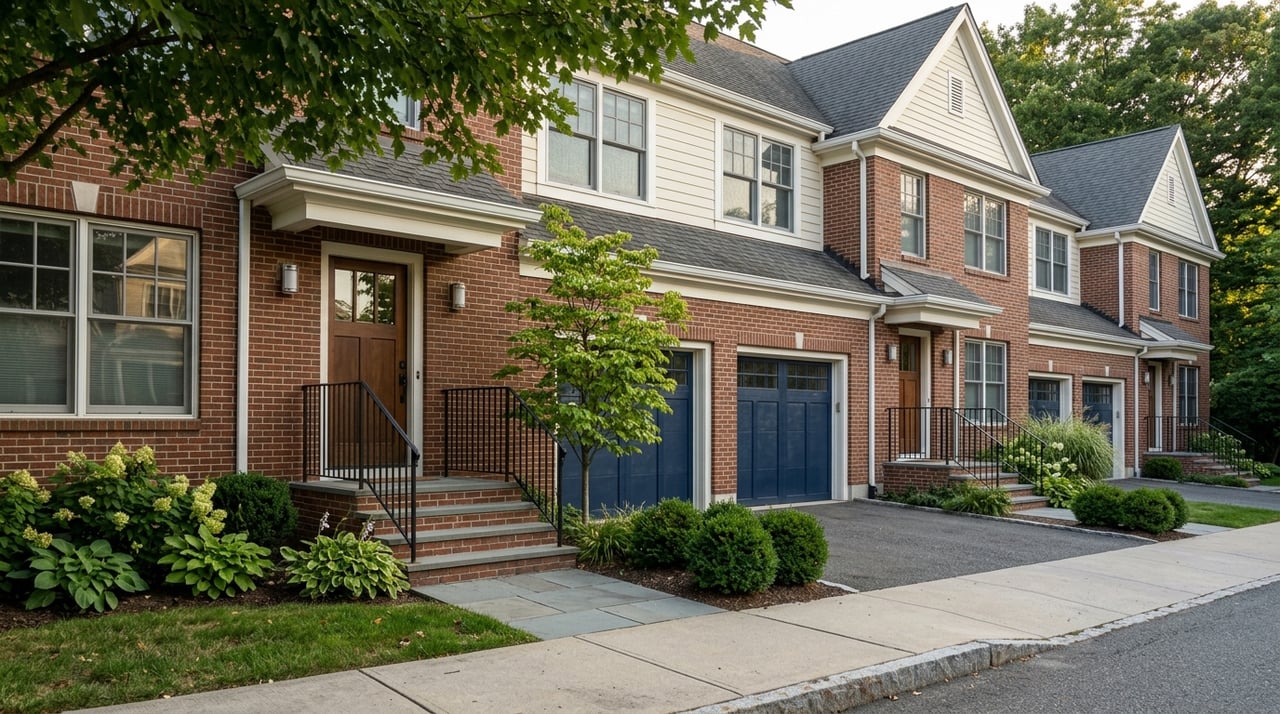
If you are considering a condo as a more budget-friendly way into Lexington, it is smart to keep expectations realistic. The town’s housing needs assessment says only about a quarter of condominiums are assessed under $600,000. That means condos may offer a lower price point than many single-family homes, but they can still sit well above what some buyers expect in suburban Massachusetts.
This is one reason buyers often need to define tradeoffs clearly. You may be choosing between size, condition, location, and housing type rather than simply deciding whether to buy a house or a condo. Clarity on those tradeoffs can make your search much more focused.
Historic character can affect renovation plans
Lexington’s history is part of what draws many buyers to the town. The Historical Commission notes Lexington’s Revolutionary era significance and later railroad-era growth, and the town includes four National Historic Landmarks, thirteen additional individually listed properties, and roughly 2,000 properties protected within local historic districts.
That historic character can be a major asset, but it can also affect what you can do with a property. If a home is in a local historic district, the Historic Districts Commission reviews and approves certain exterior changes, including construction, demolition, exterior renovations, color changes, and signs.
What this means for buyers
If you are planning to add on, replace windows, change exterior materials, or make significant facade changes, build extra time into your planning. The town’s preservation framework does not mean renovations cannot happen. It does mean the process may be more procedural and may require more careful due diligence.
This is especially important if you are buying a home based on what you hope to change later. Before you assume a project will be simple, it is wise to confirm whether local historic district rules or demolition review may apply.
Commute and access deserve a closer look
Lexington is about 11 miles northwest of Boston, and for many buyers that location is part of the appeal. The town has access to Routes 95/128, Route 2, Routes 4/225, and Route 2A. Transportation options also include Lexpress buses, MBTA bus routes 62 and 76 to Alewife, nearby bus routes, and the 10-mile Minuteman Bikeway running from Bedford through Lexington Center to Alewife.
Still, Lexington is not a direct rail-centered commuter town. A town transportation inventory based on census data found that 88.8% of residents work outside the community, drive-alone commuting was 71.8% in 2017, and public transit commuting remained under 10%.
Why location within town matters
Those numbers show why street location matters more than some buyers expect. Two homes may both be in Lexington, but one may offer easier daily access to major routes, a bus corridor, or the bikeway. Another may require more driving for the same workweek routine.
QuickFacts places the mean travel time to work at 30.7 minutes, which is a useful reminder not to assume an easy commute just because Lexington is close to Boston on a map. If your schedule depends on specific route access or transit options, that should be part of your home search from day one.
Lexington often costs more than nearby towns
If you are still deciding where to buy, it helps to compare Lexington with nearby communities. Recent Redfin snapshots show Lexington at a median sale price of $1.97 million, compared with about $1.36 million in Winchester, $1.35 million in Belmont, $1.38 million in Concord, $1.16 million in Arlington, $1.08 million in Bedford, and $845,000 in Waltham.
The important point is not that one town is better than another. It is that Lexington usually asks buyers to pay a premium while still moving at a pace similar to other sought-after inner-suburban markets. If Lexington is on your list, you should be confident that its mix of location, housing style, and long-term fit is worth that premium for you.
What to do before you start touring
Preparation is one of the biggest advantages you can give yourself in Lexington. Because homes can move quickly and competition is common, it helps to define your search clearly before you fall in love with a property.
A practical checklist includes:
- Know your real budget, not just your maximum approval amount
- Decide where you can compromise on size, condition, or home type
- Identify whether older homes or possible renovation limits are a concern
- Think through your commute by car, bus, or bike
- Be ready to tour quickly when a strong match hits the market
This kind of planning does not remove competition, but it can help you act faster and make decisions with less second-guessing.
The bottom line on buying in Lexington
Lexington offers a distinctive combination of historic character, a strongly single-family housing pattern, and access to Boston and Cambridge corridors. It also asks buyers to navigate high prices, limited turnover, older housing stock, and possible extra review for historic properties. In other words, the opportunity is real, but so are the tradeoffs.
If you go in prepared, Lexington can be a rewarding place to buy. The key is understanding the market for what it is, not what you hope it will be. When your expectations match the local reality, you are in a much better position to recognize the right home when it appears.
If you are weighing Lexington against other nearby towns or want practical guidance on what your budget may look like in today’s market, Plunkett Properties is here to help with straightforward, local insight.
FAQs
What should buyers know about Lexington home prices?
- Buyers should expect Lexington to be one of the pricier markets in Middlesex County, with recent data generally placing many homes in the high-$1 million to low-$2 million range.
How fast do homes sell in Lexington?
- Recent market snapshots show Lexington homes moving in about 8 to 23 days, and some listings attract multiple offers.
Are most homes in Lexington single-family properties?
- Yes. The town’s housing needs assessment says about 82% of Lexington’s housing units are single-family homes.
Does Lexington have many older homes?
- Yes. A large share of the housing stock was built before 1980, including homes from 1939 or earlier, mid-century properties, and later expansions or rebuilds.
Can historic district rules affect a Lexington home purchase?
- Yes. If a property is in a local historic district, certain exterior changes may require review and approval from the Historic Districts Commission.
Is Lexington a good fit for Boston or Cambridge commuters?
- Lexington can work well for many Boston- and Cambridge-area commuters, but buyers should pay close attention to road access, bus routes to Alewife, and the practical day-to-day need for a car.