"No 6D Certificate? No closing."
That line comes from a Massachusetts notary service that processes these documents for a living, and it's blunt for a reason. Ask anyone who has closed a condo sale in this state and they will tell you the same thing in softer words: everything else about the deal can be finished, the price agreed, the inspection clean, the mortgage commitment in hand, and the closing still will not happen until one piece of paper from the condo association shows up signed and notarized.
For a Winchester condo seller, that paper is the 6(d) certificate, named for the section of Massachusetts General Laws Chapter 183A that requires it. It sounds like a formality. It is not. And what it actually reveals, or fails to reveal, has less to do with the seller's unit and more to do with which decade their building was built in.
What the Certificate Says, and What It Doesn't
Under the statute, a condominium association must issue a written statement confirming whether a unit owes any common expenses or special assessments, and it has ten business days from a written request to do it. In practice, closing attorneys and property managers report that turnaround routinely stretches to one to three weeks, especially when a building is self-managed or between property managers. The certificate has to be signed by trustees who are properly authorized, and if a board has turned over recently without the new trustee certificate being recorded at the Registry of Deeds, that alone can hold up issuance.
Once the certificate is clean, meaning it states nothing is owed, it discharges the association's lien on the unit as of that date. That is the whole mechanism. It is also the reason lenders will not fund a purchase without one. Massachusetts gives condo associations a "super lien," a priority claim for up to six months of unpaid common expenses that can jump ahead of a first mortgage. No lender wants that sitting on a unit they are about to finance, and no title company will write a clean policy over it.
Here is the part sellers tend to miss. A clean 6(d) certificate says only what the seller's individual unit owes as of the date on the certificate. It says nothing about the building's reserve fund, nothing about a special assessment the board discussed last month but hasn't voted on yet, and nothing about deferred maintenance the trustees have been aware of for years. A unit can carry a perfectly clean certificate and still sit inside an association that is about to hit every owner with a five-figure bill.
Same Town, Very Different Decades
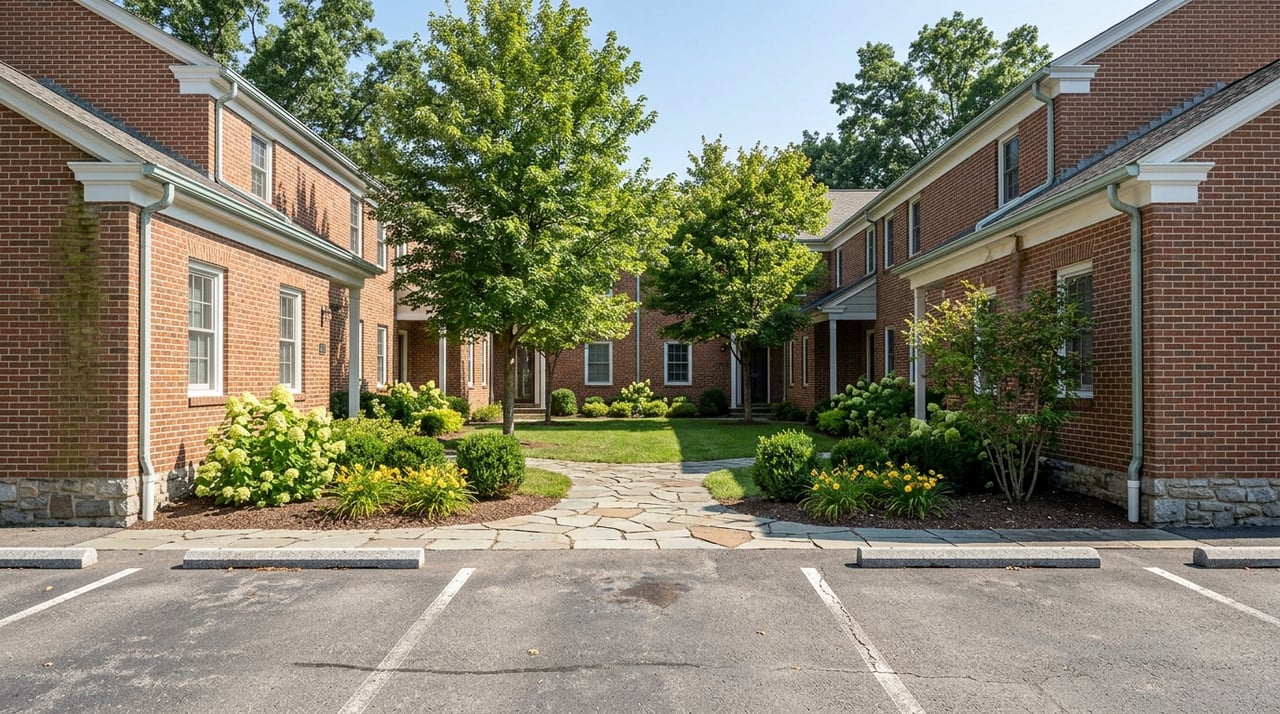
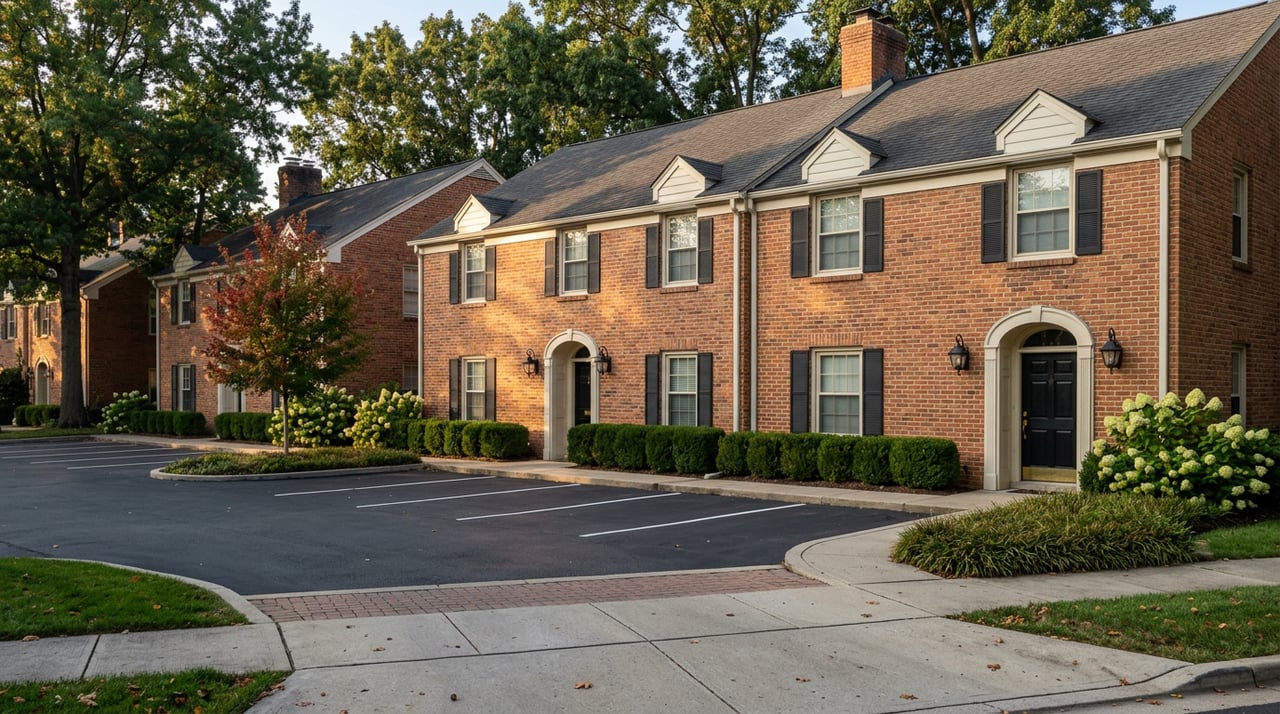
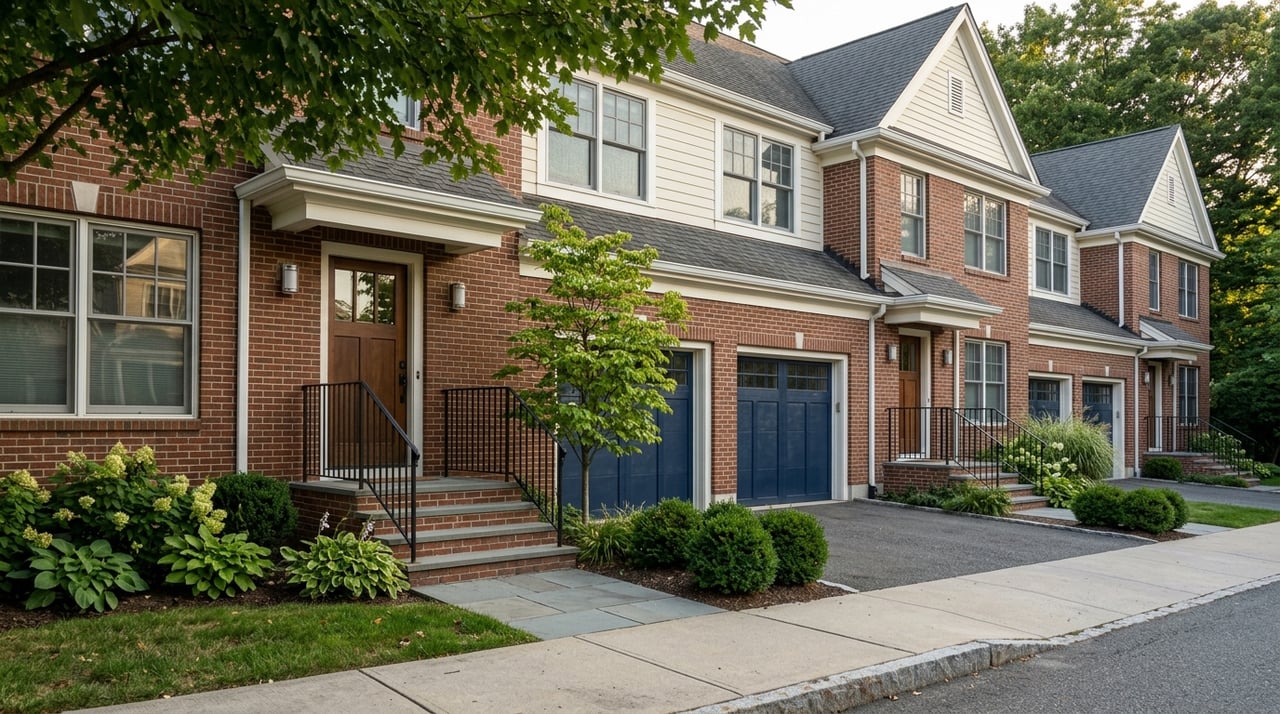
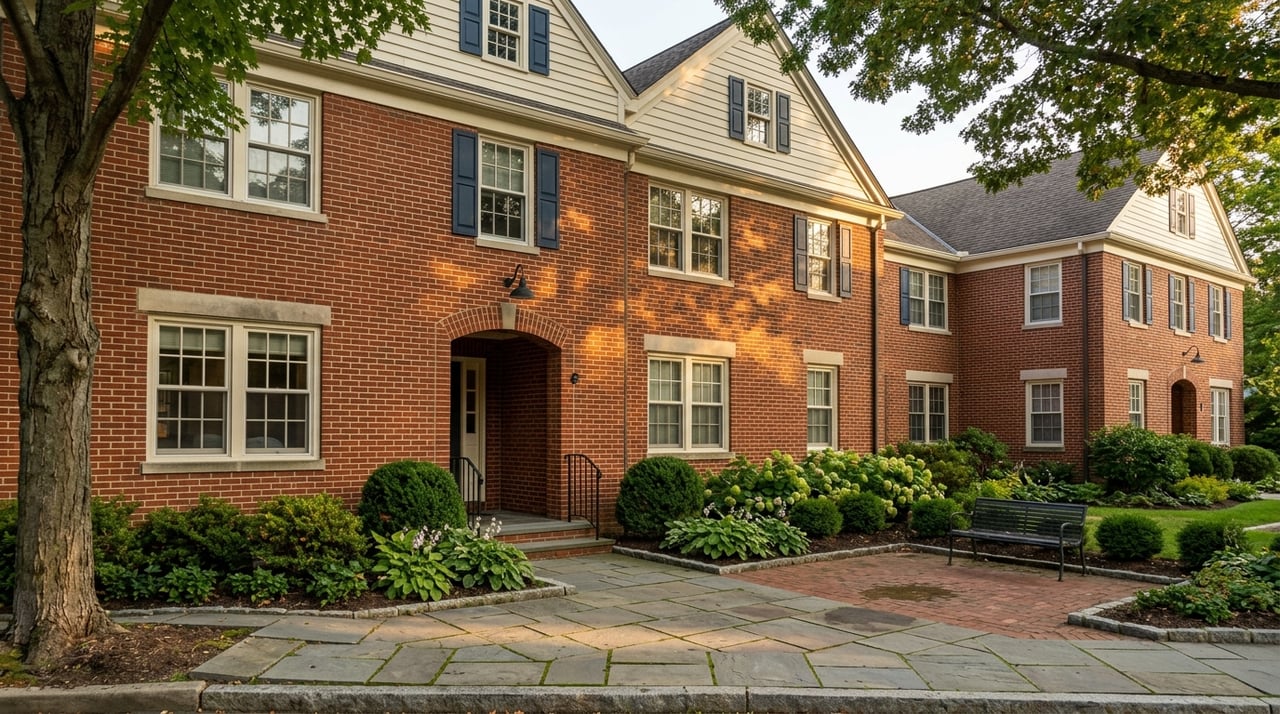
Winchester's condo stock is not one uniform product, and the age spread matters more than the price spread. Graystone at Winchester, the 50-unit building in Town Center, went up in 2010, which makes it roughly sixteen years old this year. Waterfield Square, an 18-unit community, was built in 1982. Winchester Green, 28 units, dates to 1981. The Village in Winchester, at 80 units, was built in 1985.
That means some of the town's condo owners are selling out of buildings still working through their first roof, siding, and mechanical systems, while others are selling out of buildings now in their fifth decade, well past the point where most major building components need a second or even third replacement cycle. A buyer comparing two listings at similar price points in Winchester is often, without realizing it, comparing a building that has barely touched its reserve fund against one that may already be leaning on it hard.
| Community | Built | Units |
|---|---|---|
| Graystone at Winchester | 2010 | 50 |
| The Village in Winchester | 1985 | 80 |
| Waterfield Square | 1982 | 18 |
| Winchester Green | 1981 | 28 |
Why the Law Doesn't Close the Gap
Massachusetts requires condo associations to maintain an "adequate" replacement reserve fund under Chapter 183A, but the statute never defines adequate, and the state does not mandate a professional reserve study. Boards are left to decide for themselves, and many fall back on an informal rule of thumb, setting aside somewhere around ten percent of the annual operating budget. Community management specialists who track this closely describe funding below thirty percent of a building's projected capital needs as critically underfunded, the point where a board is one failed roof or one burst pipe away from a special assessment.
One documented case from a Boston-area association makes the pattern concrete. The board deferred a planned roof replacement for three years to avoid raising fees. When the roof failed during a winter storm, water damage reached eighteen units, and the association ended up facing a special assessment of $450,000, more than double the cost of the repair it had postponed. That is not a Winchester building specifically, but it is the exact failure mode that older, self-managed associations are most exposed to, because nothing in state law forces them to plan ahead of it.
Fannie Mae and Freddie Mac have effectively stepped into that gap. Both now expect associations in buildings three stories or higher to dedicate at least ten percent of their operating budget to reserves and to hold a reserve balance equal to at least ten percent of the replacement cost of major components. A building that can't show that on paper risks being flagged as non-warrantable, which narrows the pool of buyers who can even get financing for a unit inside it. That standard has nothing to do with the seller's unit condition and everything to do with how the trust has been run for the past several decades.
What to Request Before You List, Not After You're Under Agreement
The 6(d) certificate itself usually can't be requested until a closing date exists, since it has an effective date and most associations won't issue one speculatively. But nothing stops a seller from asking for the documents that tell them what the certificate is likely to say weeks before they list.
Request the current owner ledger to confirm your own account is current. Ask the trustees or the management company when the last reserve study was done, if one exists at all, and what it showed. Ask directly whether any special assessment has been discussed, voted on, or is expected in the next funding cycle, since Massachusetts treats condo sales as carrying stricter disclosure expectations than single-family home sales specifically because of this kind of financial exposure. Confirm who is currently authorized to sign a 6(d) certificate for your building, and check whether that authorization has actually been recorded at the Registry of Deeds, not just voted on at a meeting.
One practice worth avoiding entirely: some sellers ask their association to issue a "clean" certificate showing nothing due, with a private promise that any arrears will be paid from closing proceeds. Real estate attorneys who handle these closings regularly advise against it, because it puts the association's lien discharge ahead of the actual money changing hands, and if something goes wrong at the closing table, the certificate is already recorded stating something that isn't true yet.
A Few Questions Worth Answering Directly
Does a clean 6(d) certificate mean the building is financially healthy? No. It confirms only that your specific unit owes nothing as of the date on the certificate. It says nothing about the reserve fund, pending litigation, or an assessment the board has discussed but not yet levied.
Who typically pays for the certificate? Sellers usually cover the association's processing fee, along with any Registry of Deeds recording cost, unless the purchase agreement states otherwise.
How far in advance should I ask for the underlying documents? Weeks, not days. The certificate itself is usually only requested once a closing date is set, but the reserve study, recent meeting minutes, and current budget can and should be reviewed before you list, especially in an older Winchester building where a special assessment discussion may already be underway.
Does a special assessment kill a sale? Not usually. Buyers and their attorneys tend to treat a disclosed, well-documented assessment as a negotiation point rather than a dealbreaker. What creates real friction is a seller who didn't know, or didn't say, until the certificate came back with a number nobody expected.
If you're weighing a sale in one of Winchester's older condo communities, or you sit on a board trying to figure out what your building's paperwork will say before a buyer's attorney asks, Plunkett Properties has spent years managing these same associations from the inside and can walk through what your specific building's documents actually show before you list.